

Drawings on paper represent one of the most fundamental and enduring forms of artistic expression. This accessible medium has served artists for centuries, offering immediacy, versatility, and an intimate connection between creator and surface. Whether executed in graphite, charcoal, ink, or oil pastel, drawings on paper capture spontaneity and deliberate craft in equal measure. Understanding the materials, techniques, and preservation methods associated with this medium reveals why it remains essential to contemporary art practice and collecting.
The Historical Significance of Paper as a Drawing Surface
The evolution of drawing throughout history demonstrates paper's transformative role in artistic development. Before paper became widely available in Europe during the Renaissance, artists worked primarily on parchment, vellum, or prepared walls. Paper's introduction democratized art-making by providing an affordable, portable surface that encouraged experimentation.
Renaissance masters used paper for preparatory studies, but the medium quickly evolved beyond mere sketching. Artists recognized that drawings on paper possessed inherent aesthetic value, not simply as studies for larger works but as complete artistic statements. This shift in perception elevated the status of works on paper within the art world.
Paper Types and Their Impact on Artistic Outcomes
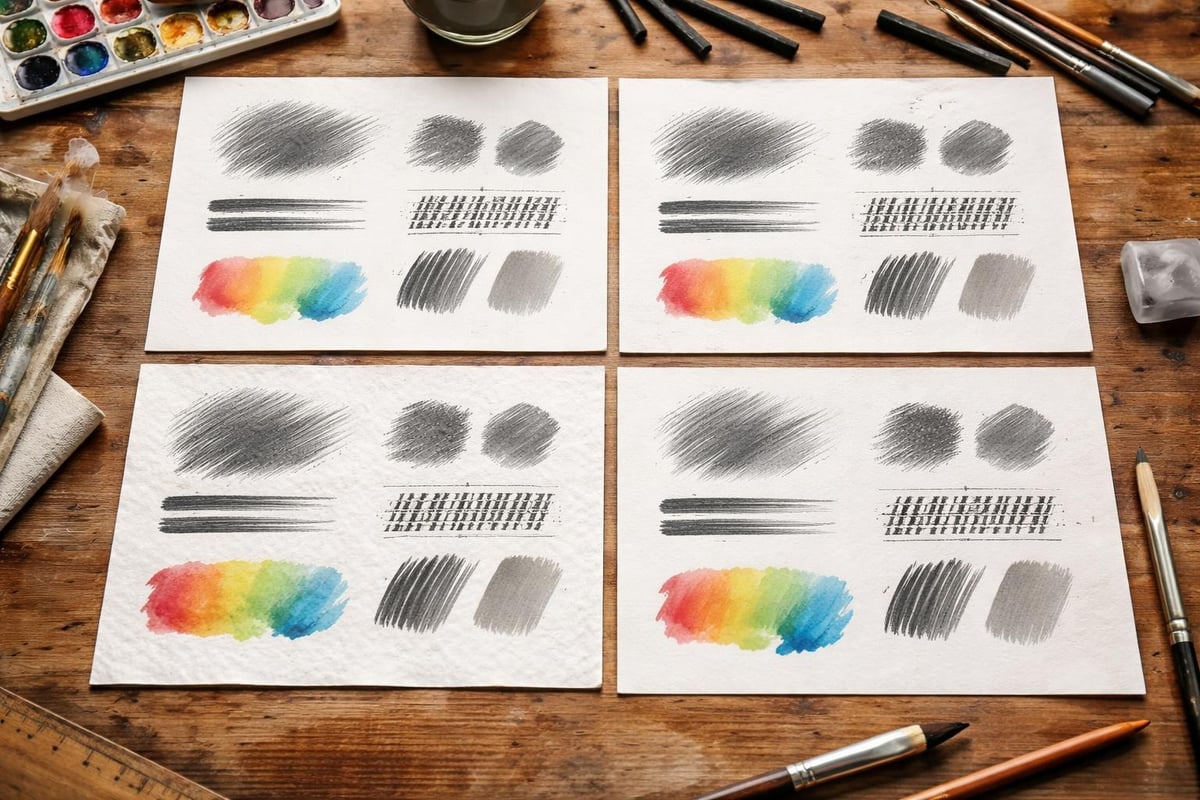
Modern artists have access to numerous paper varieties, each offering distinct characteristics:
- Hot-pressed paper provides smooth surfaces ideal for detailed line work and ink applications
- Cold-pressed paper features moderate texture suitable for mixed media and layered techniques
- Rough paper delivers pronounced tooth that grips dry media like charcoal and pastel
- Archival paper ensures longevity through acid-free composition and proper sizing
The choice of drawing surface fundamentally affects how materials interact with paper. Weight, measured in pounds or grams per square meter, determines durability and resistance to buckling when wet media are applied. Professional-grade papers typically range from 90 lb to 300 lb, with heavier weights supporting more aggressive techniques.
Traditional and Contemporary Drawing Techniques
Artists employ diverse approaches when creating drawings on paper, combining centuries-old methods with innovative contemporary practices. Drawing techniques and materials vary widely based on desired effects and artistic intent.
Dry Media Applications
Graphite remains the most recognized drawing medium, offering range from delicate silverpoint effects to bold, expressive marks. Pencil drawing techniques encompass everything from technical rendering to gestural sketching. Artists grade graphite from 9H (hardest) to 9B (softest), selecting appropriate hardness for specific applications.
Charcoal provides dramatic tonal range and allows for both precise detail and atmospheric effects. Vine charcoal offers subtlety for initial layouts, while compressed charcoal delivers rich blacks for finished work. Artists often combine both types within single compositions.
Oil pastels bridge drawing and painting, delivering vibrant color with waxy richness. Unlike soft pastels that require fixative, oil pastels bind naturally to paper surfaces, creating permanent marks resistant to smudging. This medium supports layering, sgraffito, and blending techniques that produce complex chromatic effects.
Wet Media and Mixed Approaches
Ink drawings range from precise technical pen work to fluid brush applications. Artists use permanent and water-soluble inks to achieve different effects, sometimes combining both within single pieces. Wash techniques blur the boundary between drawing and watercolor painting.
Contemporary artists frequently combine multiple media on paper, creating works that defy traditional categorization. A single piece might incorporate graphite underdrawing, ink outlines, watercolor washes, and pastel accents. These mixed-media approaches expand expressive possibilities while challenging conventional definitions.
| Medium Type | Characteristics | Best Paper Weight | Archival Considerations |
|---|---|---|---|
| Graphite | Versatile, erasable, wide tonal range | 60-100 lb | Requires fixative for loose graphite |
| Charcoal | Dramatic blacks, atmospheric effects | 80-100 lb | Must be fixed or protected under glass |
| Ink | Permanent, precise or fluid | 90-140 lb | Archival inks prevent fading |
| Oil Pastel | Vibrant color, waxy texture | 100-140 lb | Stable without fixative |
The Value Proposition of Original Drawings
Original drawings on paper occupy a unique position in the art market. Unlike prints produced in editions, each drawing represents a singular artifact documenting the artist's direct engagement with materials. This authenticity contributes significantly to both aesthetic and monetary value.
Collectors appreciate drawings for their intimacy and immediacy. The visible marks reveal artistic process in ways that paintings sometimes obscure. Evidence of the artist's hand-hesitations, corrections, layered decisions-provides insight into creative thinking that resonates with viewers.
Authentication and Documentation
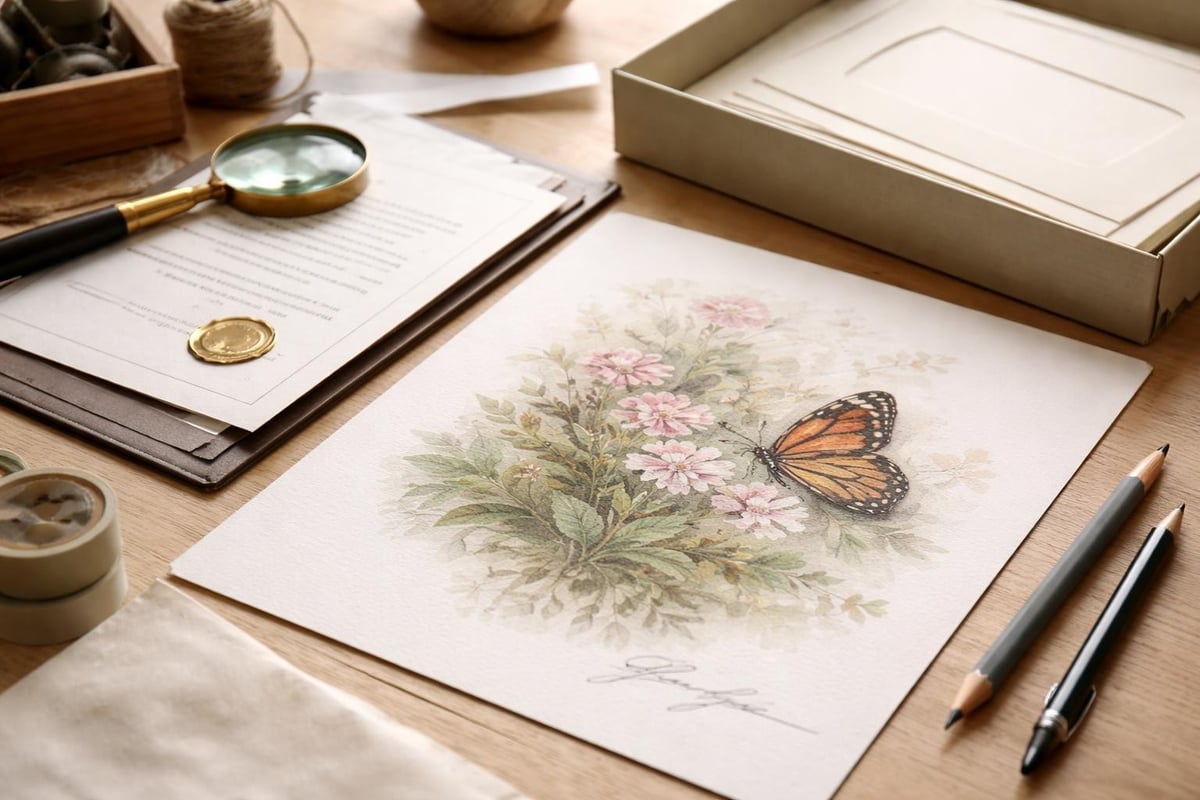
Proper documentation establishes provenance and supports valuation. Original drawings should include:
- Artist signature directly on the artwork
- Date of creation for historical context
- Certificate of authenticity verifying originality
- Materials specification listing media and paper type
- Edition information if applicable (unique or numbered)
Artists working with archival materials demonstrate commitment to longevity. Acid-free papers, lightfast pigments, and proper fixatives ensure drawings maintain their appearance for generations. The materials and techniques employed directly impact long-term stability and collector confidence.
Exploring Chromatic Composition on Paper
While many associate drawings with monochromatic work, contemporary artists increasingly embrace color as a primary element. Chromatic drawings challenge traditional boundaries, creating vibrant compositions that rival paintings in visual impact.
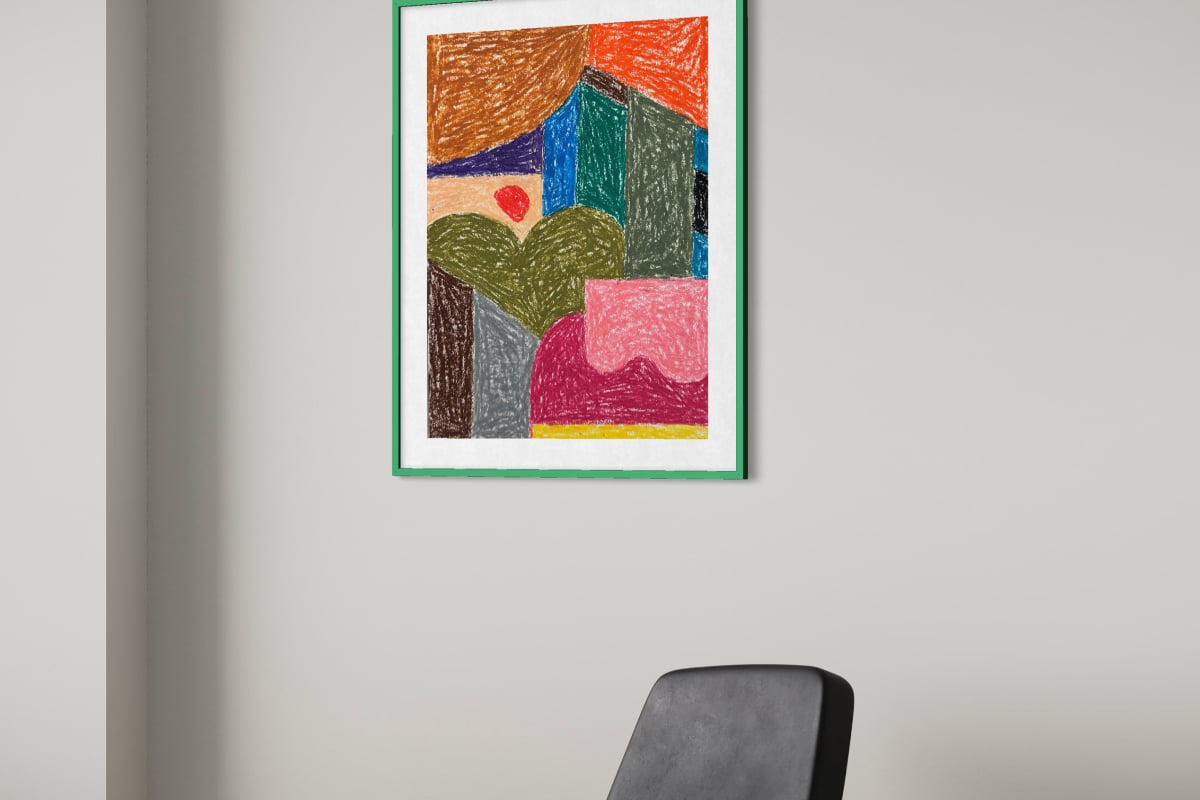
Oil pastels excel at delivering saturated color on paper surfaces. Artists layer complementary hues to create optical mixing effects, building complexity through transparent and opaque applications. The medium's waxy quality allows for bold mark-making while supporting subtle blending.
Geometric abstraction finds natural expression in colored drawings. Artists explore balance and tension through carefully composed forms, using color relationships to guide viewer attention and establish rhythm. Works like the Chromatic Study demonstrate how layered geometry combined with thoughtful color selection creates dynamic visual experiences on archival paper.
Color Theory in Paper-Based Work
Understanding color relationships enhances compositional strength:
- Complementary pairs create maximum contrast and visual vibration
- Analogous schemes establish harmony through related hues
- Triadic combinations balance energy across the color wheel
- Monochromatic variations explore tonal relationships within single hues
Artists manipulate these relationships to evoke specific responses. Warm colors advance while cool hues recede, creating spatial depth on flat surfaces. High-contrast combinations demand attention, while low-contrast harmonies invite contemplation.
Preservation and Care for Works on Paper
Proper storage and display practices ensure drawings on paper survive indefinitely. Best practices for storing paper collections emphasize environmental control and protective housing.
Environmental Considerations
Temperature and humidity fluctuations pose the greatest threats to paper stability. Ideal conditions maintain:
- Temperature between 65-70°F
- Relative humidity at 30-50%
- Minimal light exposure, especially UV radiation
- Clean air free from pollutants and acidic gases
Excessive humidity encourages mold growth and foxing (brown spots), while low humidity causes brittleness. Dramatic fluctuations stress paper fibers, leading to warping and degradation.
Framing and Display Methods
Professional framing protects drawings while allowing visibility:
- UV-filtering glass or acrylic blocks harmful radiation
- Acid-free matting prevents direct contact with glazing
- Spacers maintain air gap between artwork and glass
- Sealed backing excludes dust and environmental contaminants
- Hanging away from direct sunlight minimizes light damage
Unframed drawings require acid-free folders or boxes for storage. Interleaving with glassine or acid-free tissue prevents surface abrasion when pieces are stacked.
Building a Collection of Drawings
Collecting drawings on paper offers accessibility compared to paintings while providing equivalent aesthetic satisfaction. Beginning collectors should consider several factors when evaluating potential acquisitions.
Assessing Quality and Authenticity
Examine technical execution and conceptual coherence. Strong drawings demonstrate:
- Confident mark-making that reflects artistic skill
- Compositional integrity with balanced visual elements
- Material compatibility showing appropriate media-surface relationships
- Consistent quality throughout the piece without awkward passages
Provenance documentation becomes increasingly important for established artists. Direct purchase from artists or reputable galleries ensures authenticity while supporting transparent market practices.
Investment Versus Aesthetic Value
While some collectors prioritize investment potential, most find greater satisfaction in personal connection to artwork. Emerging artists often offer exceptional quality at accessible prices, allowing collectors to acquire original works that resonate aesthetically without substantial financial outlay.
The paintings on paper collection approach exemplifies how artists blur medium boundaries, creating works that challenge categorical definitions while remaining true to paper's unique qualities.
| Collection Focus | Advantages | Considerations |
|---|---|---|
| Single Artist | Develops expertise, documents evolution | Limited diversity |
| Thematic | Creates coherent narrative | Requires curatorial vision |
| Medium-Specific | Appreciates technical mastery | May become restrictive |
| Emerging Artists | Accessibility, discovery potential | Less established provenance |
Contemporary Practice and Digital Integration
Modern artists often integrate traditional drawing with digital technologies, yet many maintain dedicated practices focused exclusively on physical media. This deliberate choice reflects paper's enduring appeal and distinctive qualities that digital tools cannot replicate.
The tactile engagement of drawing on paper provides sensory feedback absent from screen-based work. Artists feel paper texture, experience physical resistance, and observe how materials interact in real-time. These qualities contribute to creative satisfaction that transcends mere visual outcomes.
Scanning and Reproduction Considerations
High-quality scanning preserves drawings digitally while enabling reproduction. Professional scans capture:
- Fine detail at 600 dpi or higher resolution
- Accurate color representation through calibrated equipment
- Texture and surface quality through appropriate lighting
- Full tonal range from highlights to shadows
Artists use scans to create limited edition prints, expanding audience reach while maintaining original artwork integrity. Clearly distinguishing reproductions from originals protects collector interests and market transparency.
The Role of Drawings in Artistic Development
Many artists maintain drawing practices alongside other media, using paper-based work for experimentation and conceptual exploration. The drawings collection format encourages serial investigation, allowing artists to develop ideas across multiple pieces.
Drawings serve multiple functions within artistic practice:
- Preliminary studies testing composition before committing to larger formats
- Stand-alone works conceived and executed as complete artistic statements
- Process documentation recording creative evolution and decision-making
- Technical exercises building skill and exploring material capabilities
This versatility explains why drawing remains fundamental to artistic education and professional practice. The medium's immediacy encourages risk-taking while its relative economy permits extensive experimentation.
Series Development on Paper
Working in series allows artists to thoroughly investigate concepts, techniques, or formal problems. Multiple drawings exploring related themes create dialogue between individual pieces while demonstrating developmental progression.
Series work on paper offers practical advantages. Artists can work simultaneously on multiple pieces, allowing each to inform others. The consistent format focuses attention on conceptual and formal variations rather than scale or material changes.
Collectors value series for their comprehensive exploration of ideas. Acquiring multiple related works provides deeper understanding than single pieces might offer, creating richer viewing experiences and more significant aesthetic impact.
Drawings on paper continue to captivate artists and collectors through their combination of immediacy, versatility, and enduring physical presence. Understanding the materials, techniques, and preservation requirements enhances appreciation for this essential artistic medium. Whether you're drawn to geometric abstraction, figurative studies, or experimental mixed media, Nathalie Chikhi offers original artworks and prints that demonstrate the expressive power and chromatic potential of contemporary work on paper.
