

Large canvas abstract painting has become a defining element in contemporary interior design and art collecting. These bold, expressive works command attention and transform spaces through their powerful presence and dynamic visual language. Whether you're an artist considering creating large-scale abstracts, a collector evaluating your next acquisition, or a designer selecting statement pieces for clients, understanding the nuances of large canvas abstract painting opens new possibilities for creative expression and spatial transformation.
Understanding the Impact of Scale in Abstract Art
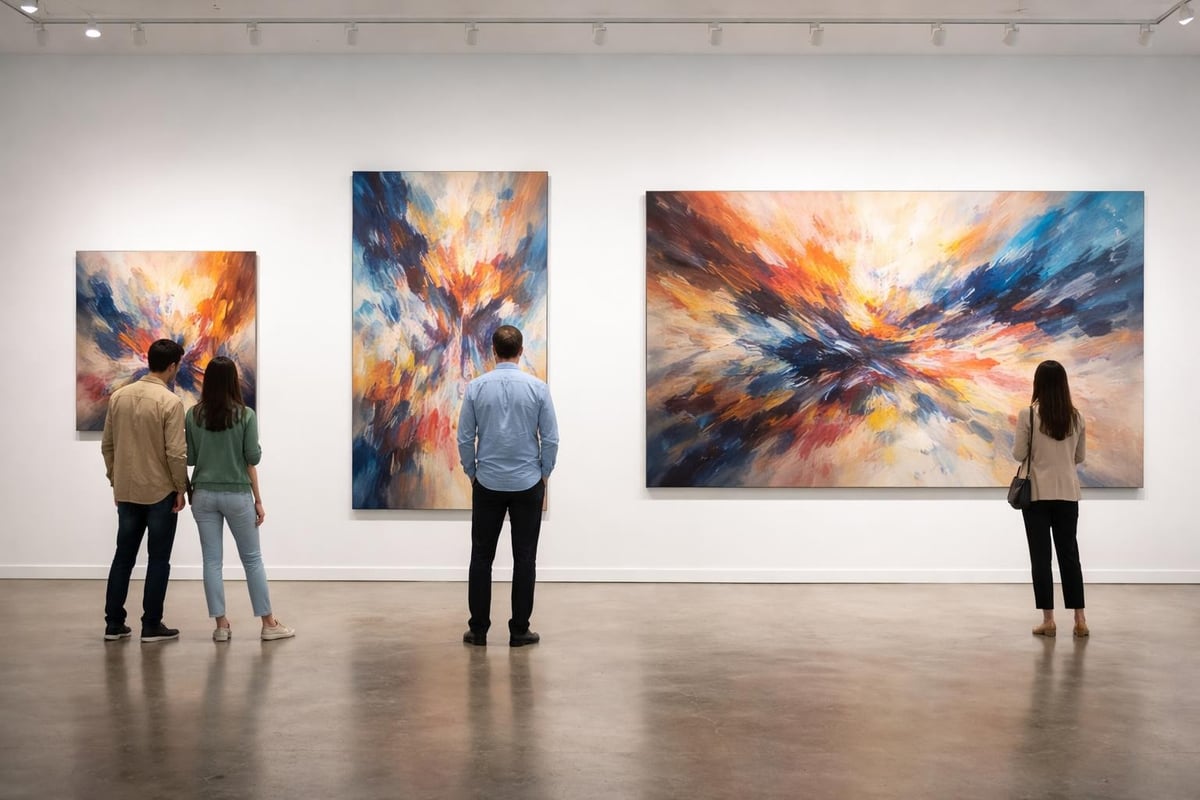
Scale fundamentally changes how viewers experience abstract artwork. A large canvas abstract painting creates an immersive environment that engages peripheral vision and invites physical movement around the piece. Unlike smaller works that function as focal points, large-scale abstracts become environmental elements that alter the perception of space itself.
How Size Influences Visual Communication
The relationship between canvas size and artistic expression operates on multiple levels. Large formats allow artists to work with expansive gestures, creating rhythms and movements impossible on smaller surfaces. Brushstrokes gain momentum, color fields breathe with greater intensity, and compositional elements achieve monumental presence.
Key scale considerations include:
- Viewing distance: Large works require stepped-back viewing to appreciate overall composition
- Gesture amplification: Arm and body movements translate directly into visible marks
- Color saturation: Large color fields create stronger emotional and psychological responses
- Spatial dialogue: Oversized pieces interact with architecture and surrounding environment
When selecting or creating a large canvas abstract painting, understanding these dynamics helps determine whether the work will succeed in its intended space. Choosing the perfect large abstract painting requires evaluating both aesthetic qualities and spatial compatibility.
Essential Techniques for Large-Scale Abstract Painting
Creating compelling large canvas abstract painting demands technical proficiency and conceptual clarity. Artists working at monumental scale face unique challenges that require adapted approaches to materials, process, and creative decision-making.
Preparation and Surface Management
Working with large canvases begins with proper preparation. Canvas must be stretched tightly and primed adequately to prevent sagging and ensure even paint absorption. Many artists working at scale prefer gallery-wrapped canvases with depths of 1.5 to 3 inches, which eliminate framing needs and enhance contemporary presentation.
| Preparation Aspect | Standard Approach | Large-Scale Consideration |
|---|---|---|
| Priming | 2-3 coats gesso | 3-4 coats for durability |
| Stretcher bars | Standard depth | Heavy-duty, cross-braced |
| Canvas weight | 7-10 oz cotton | 10-15 oz cotton or linen |
| Work surface | Easel | Floor or wall mounting |
The physical act of painting large requires different body mechanics. Artists often work from the floor, walking across and around the canvas, or mount works vertically on studio walls. This physicality becomes part of the creative process, influencing mark-making and compositional development.
Color Application Strategies
Color takes on extraordinary power in large canvas abstract painting. Techniques vary from thin washes that create atmospheric depth to thick impasto applications that add sculptural dimension. Creating large abstract art involves mastering multiple application methods and understanding how colors interact across expansive surfaces.
Effective color techniques include:
- Layering transparent glazes for luminous depth
- Blocking large color fields to establish compositional structure
- Introducing accent colors through gestural marks or drips
- Creating tonal gradations across substantial surface areas
- Balancing warm and cool zones for visual tension
The chromatic architecture approach, which explores balance through layered geometric forms, demonstrates how structured color application can create sophisticated visual dialogues. Artists working in this mode often use vibrant palettes spanning yellows, blues, pinks, and intermediate hues to build complex chromatic relationships.
Texture and Dimension Building
Texture transforms flat surfaces into tactile experiences. In large canvas abstract painting, texture creates visual interest that sustains viewer engagement across the work's expanse. Artists incorporate texture through varied brushwork, palette knife application, mixed media elements, and unconventional tools.
Exploring techniques for large abstract painting reveals how master artists build surface complexity. Some apply thick acrylic mediums or modeling paste before painting, creating relief surfaces that catch light dynamically. Others incorporate collage elements, sand, or fabric to introduce contrasting textures.
Stylistic Approaches in Contemporary Large-Scale Abstracts
The diversity of abstract painting styles allows artists to explore vastly different aesthetic territories. Understanding these approaches helps both creators and collectors identify their preferences and make informed decisions.
Gestural Expressionism
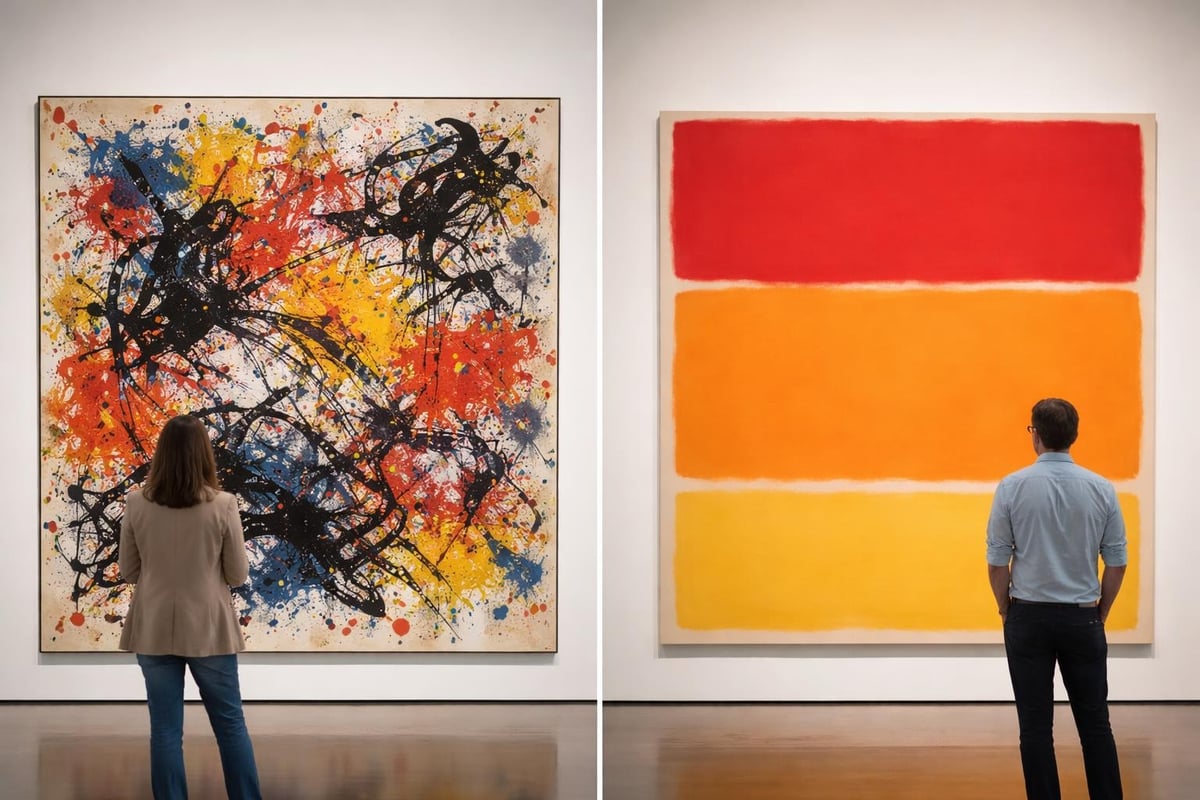
This approach emphasizes spontaneous, energetic mark-making. Large canvases become records of physical movement, with sweeping brushstrokes, drips, and splashes creating dynamic compositions. The scale amplifies the energy of each gesture, making the artist's physical presence palpable in the finished work.
Gestural abstraction thrives on immediacy and emotional intensity. Colors often clash dramatically, and compositional balance emerges from intuitive decision-making rather than predetermined planning.
Color Field Painting
In contrast to gestural approaches, color field painting emphasizes large areas of flat or subtly modulated color. These works create contemplative experiences, drawing viewers into meditative engagement with chromatic relationships. Abstract art techniques like color-field painting demonstrate how restraint can generate profound visual impact.
The monumental scale of color field works intensifies their atmospheric qualities. Standing before a large canvas abstract painting in this style, viewers experience color as environment rather than surface decoration.
Geometric Abstraction
Geometric approaches organize large canvases through structured compositional systems. Hard-edge shapes, linear elements, and mathematical relationships create visual order. The chromatic architecture collection exemplifies how geometric abstraction can balance precision with expressive color use.
These works often explore counterform principles, where negative space functions as actively as positive elements. The large scale allows complex geometric relationships to unfold with clarity while maintaining overall compositional coherence.
Selecting Large Canvas Abstract Painting for Interior Spaces
Choosing the right large canvas abstract painting requires balancing aesthetic preferences with practical considerations. The work must resonate emotionally while functioning effectively within its architectural context.
Spatial Considerations and Proportions
Wall size dictates the maximum dimensions that will work comfortably in a space. As a general guideline, leave 6-12 inches of wall space on either side of the artwork. For walls above furniture, maintain 8-10 inches between the furniture top and the painting's bottom edge.
Room-specific recommendations:
- Living rooms: 48x60 inches to 60x80 inches for standard spaces
- Dining rooms: 40x50 inches to 48x60 inches to avoid overwhelming diners
- Bedrooms: 36x48 inches to 48x60 inches for calming presence
- Office spaces: 48x60 inches to 72x96 inches for corporate impact
Ceiling height also affects scale perception. Spaces with 10-foot or higher ceilings accommodate larger works more successfully than standard 8-foot ceilings.
Color Harmony and Design Integration
The painting's palette should relate to the room's existing color scheme without necessarily matching exactly. A large canvas abstract painting can introduce accent colors that enliven neutral spaces or echo dominant hues to create cohesive design flow.
| Color Strategy | Application | Effect |
|---|---|---|
| Complementary | Painting colors opposite room tones | Dynamic, energizing |
| Analogous | Painting uses adjacent color ranges | Harmonious, calming |
| Monochromatic | Painting varies shades of room's main color | Sophisticated, unified |
| Accent-driven | Painting introduces bold new hues | Focal point, statement piece |
The paintings collection demonstrates diverse color approaches that complement various interior styles, from minimalist spaces to maximalist environments.
Style Alignment with Interior Design
Contemporary interiors pair naturally with large canvas abstract painting, but these works also enhance traditional and transitional spaces. The key lies in selecting abstraction styles that echo the room's design language.
Modern spaces benefit from geometric abstractions with clean lines and structured compositions. Traditional rooms can accommodate softer, more organic abstract forms. Transitional designs work well with abstracts that balance geometric and gestural elements.
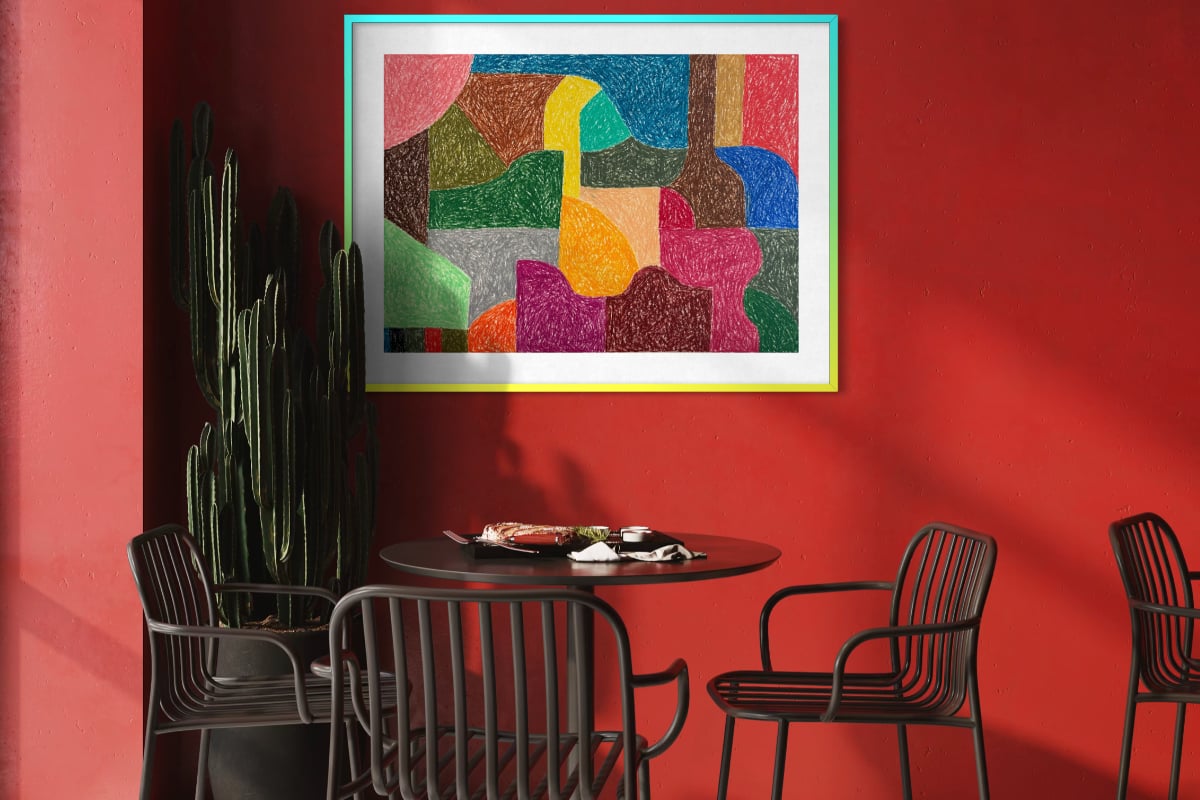
For those seeking gallery-quality abstraction that balances geometric precision with vibrant chromatic exploration, The Monumental Poster Edition offers a sophisticated approach. At 30x22 inches, this oil pastel work on archival paper demonstrates how layered geometry and bold color create visual tension and balance, making it suitable for spaces that demand both artistic presence and compositional refinement.
Investment and Value Considerations
Large canvas abstract painting represents both aesthetic acquisition and financial investment. Understanding value factors helps collectors make informed decisions that balance personal preference with market considerations.
Original Works Versus Reproductions
Original large-scale abstracts command premium prices reflecting the artist's time, materials, and creative investment. These unique pieces offer exclusivity and potential appreciation. High-quality reproductions make large canvas abstract painting accessible at lower price points, though they lack investment potential.
Value comparison:
- Original paintings: Unique, signed, certificated, investment potential
- Limited edition prints: Numbered, signed, moderate exclusivity
- Open edition prints: Affordable, decorative, no scarcity value
- Canvas prints: Cost-effective large-scale options for temporary installations
The originals collection showcases one-of-a-kind works that offer collectors authentic artistic statements with long-term value potential.
Artist Reputation and Provenance
Established artists with exhibition histories and critical recognition command higher prices. Emerging artists offer acquisition opportunities at accessible price points, with potential for value growth as reputations develop. Provenance documentation, including certificates of authenticity and exhibition records, enhances value and facilitates future resale.
Creating Your Own Large Canvas Abstract Painting
For artists ready to explore large-scale abstraction, creating large abstract art begins with proper mindset and preparation. The process differs significantly from smaller-scale work, requiring adjusted techniques and expectations.
Material Selection and Budget Planning
Quality materials become especially important at large scale. While premium artist-grade paints and canvases increase initial investment, they ensure longevity and professional results. Many artists balance costs by using student-grade materials for underpainting and reserves artist-grade colors for final layers.
- Canvas options: Pre-stretched, stretcher bars with canvas rolls, or canvas boards
- Paint selection: Acrylics for fast-drying convenience, oils for blending and depth
- Tool requirements: Large brushes, palette knives, rollers, and spray bottles
- Workspace needs: Floor space, ventilation, and adequate lighting
DIY approaches to large abstract canvas art demonstrate how upcycling existing canvases can reduce material costs while encouraging experimentation.
Process and Creative Development
Beginning without predetermined outcomes often yields the most authentic results. Start with loose underpaintings that establish compositional zones and color relationships. Build layers gradually, responding to what emerges rather than forcing predetermined visions.
Essential process steps:
- Prepare workspace with adequate floor or wall space
- Create thumbnail sketches to explore compositional ideas
- Block in major color areas with diluted paint
- Develop focal points through textural variation or color intensity
- Step back frequently to assess overall balance
- Refine edges, details, and finishing touches
Video demonstrations of textured abstract painting on large canvases provide visual guidance for managing scale challenges and developing personal techniques.
Display and Presentation Best Practices
Proper presentation maximizes the impact of large canvas abstract painting. Installation decisions affect how effectively the work communicates within its environment.
Framing Considerations
Many contemporary large canvas abstract paintings feature gallery-wrapped edges painted as continuations of the front surface, eliminating framing needs. This approach emphasizes the work's objecthood and suits modern spaces. Traditional framing can enhance works destined for classic interiors, though frame weight and cost increase significantly with size.
Frameless mounting systems using hidden brackets provide clean, contemporary presentations. These systems hold canvas away from walls, creating shadow gaps that add dimensional presence.
Lighting and Positioning
Natural light can enhance large canvas abstract painting during daylight hours, but direct sunlight causes fading. Position works perpendicular to windows when possible. Artificial lighting should illuminate paintings evenly without glare or hot spots.
| Lighting Type | Advantages | Considerations |
|---|---|---|
| Track lighting | Adjustable, focused | May create shadows |
| Picture lights | Direct, traditional | Limited coverage on large works |
| Recessed spots | Clean, architectural | Requires ceiling modification |
| Ambient room lighting | Natural, even | May lack emphasis |
The drawings collection includes works on paper that benefit from UV-protective glazing, while canvas paintings typically display unglazed to preserve surface texture visibility.
Maintaining and Caring for Large Abstract Paintings
Proper maintenance preserves investment value and visual impact over decades. Large canvas abstract painting requires regular attention to prevent deterioration and damage.
Cleaning and Conservation
Dust accumulation dulls colors and obscures surface details. Regular gentle dusting with soft, dry microfiber cloths maintains appearance. For more thorough cleaning, barely damp cloths can remove stubborn dust, though water should never saturate canvas surfaces.
Maintenance schedule:
- Monthly: Light dusting with dry cloth
- Quarterly: Inspection for damage or deterioration
- Annually: Professional assessment for valuable pieces
- As needed: Conservation treatments for damage repair
Avoid commercial cleaners, which may react unpredictably with various paint formulations. Professional conservators should handle significant cleaning or restoration needs.
Environmental Protection
Temperature and humidity fluctuations cause canvas expansion and contraction, potentially damaging paint layers. Maintain consistent environments between 65-75°F with 40-60% relative humidity. Avoid hanging large canvas abstract painting near heating vents, fireplaces, or exterior walls subject to temperature extremes.
Commissioning Custom Large Canvas Abstract Painting
Custom commissions allow collectors to obtain works precisely tailored to their spaces and preferences. The art commissions collection demonstrates how commissioned pieces can address specific design requirements while maintaining artistic integrity.
Collaboration Process
Successful commissions balance client input with artistic freedom. Provide artists with room dimensions, photographs, color preferences, and stylistic examples while allowing creative interpretation. Discuss timelines, pricing, and revision policies upfront to prevent misunderstandings.
Most commission processes follow these stages: initial consultation, concept development, preliminary sketches or samples, creation, and final installation. Clear communication throughout ensures satisfaction for both parties.
Budget and Timeline Expectations
Large canvas abstract painting commissions typically require 4-12 weeks depending on size, complexity, and artist schedules. Pricing reflects canvas and material costs, creation time, and artist experience levels. Expect to pay 30-50% deposits when commissioning, with balance due upon completion.
Large canvas abstract painting offers transformative potential for residential and commercial spaces while providing artists with expansive creative territories to explore. The intersection of scale, color, technique, and personal expression creates endless possibilities for visual communication and spatial enhancement. Whether you're selecting existing works or commissioning custom pieces, Nathalie Chikhi offers original artworks and prints that explore chromatic architecture, geometric abstraction, and expressive color relationships, bringing sophisticated contemporary art into your space.
