

Hong Kong has emerged as a powerful force in the global art world, blending Eastern traditions with Western contemporary practices. The city's unique position as a cultural crossroads has created a thriving ecosystem where artwork Hong Kong collectors seek ranges from traditional Chinese forms to cutting-edge installations. For artists and collectors alike, understanding this dynamic landscape offers insights into how art evolves in one of Asia's most cosmopolitan cities. The intersection of commerce, culture, and creativity makes Hong Kong an essential destination for anyone interested in contemporary art movements.
The Evolution of Hong Kong's Contemporary Art Scene
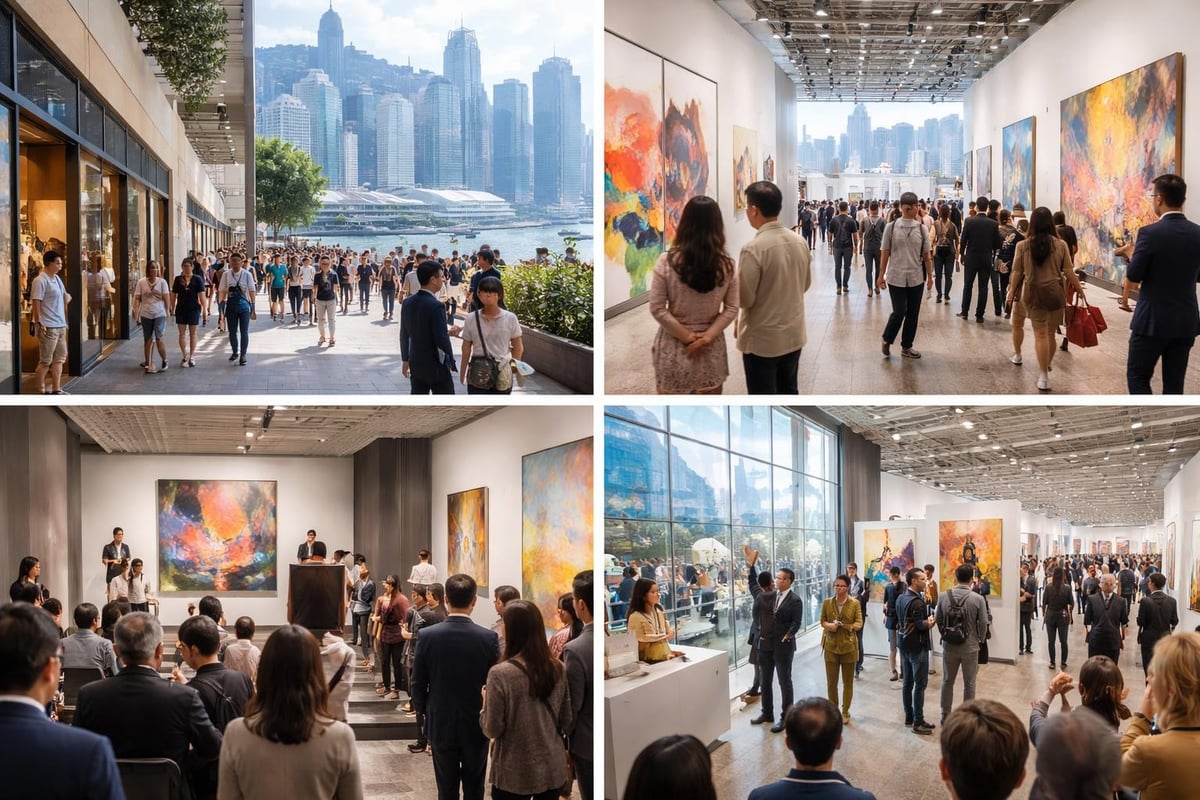
Hong Kong's transformation into an international art hub accelerated dramatically over the past two decades. Major auction houses established Asian headquarters here, while galleries from New York, London, and Paris opened satellite locations to access the growing collector base. This expansion reflects both the city's economic prosperity and its residents' increasing sophistication in appreciating diverse artistic expressions.
The Art Central Hong Kong fair has become a pivotal event in the regional calendar, bringing together established masters and emerging talents. These platforms showcase how artwork Hong Kong enthusiasts collect spans multiple generations and styles, from ink paintings rooted in centuries-old traditions to multimedia installations addressing contemporary social issues.
Gallery Districts and Cultural Neighborhoods
Several neighborhoods have become synonymous with art in Hong Kong. Central and Sheung Wan host established galleries like Kiang Malingue, which represents both local and international artists. These spaces offer carefully curated exhibitions that challenge viewers while maintaining commercial viability.
Wong Chuk Hang emerged as an industrial district turned art quarter, with converted warehouse spaces providing affordable alternatives to premium retail locations. This shift mirrors similar transformations in Brooklyn or Berlin, where artists and galleries seek authentic spaces away from mainstream commercial districts.
Key characteristics of Hong Kong gallery districts include:
- Accessibility: Concentrated locations make gallery hopping efficient for collectors
- Diversity: Spaces range from blue-chip galleries to experimental artist-run initiatives
- Integration: Galleries often coexist with design studios and creative businesses
- International reach: Many maintain connections with galleries in other major art cities
Street Art and Public Installations
Beyond traditional gallery walls, artwork Hong Kong residents encounter daily includes vibrant street murals and public installations. The Flock Project on Lantau Island demonstrates how artists transform abandoned spaces into community assets, with bird murals breathing new life into forgotten walls.
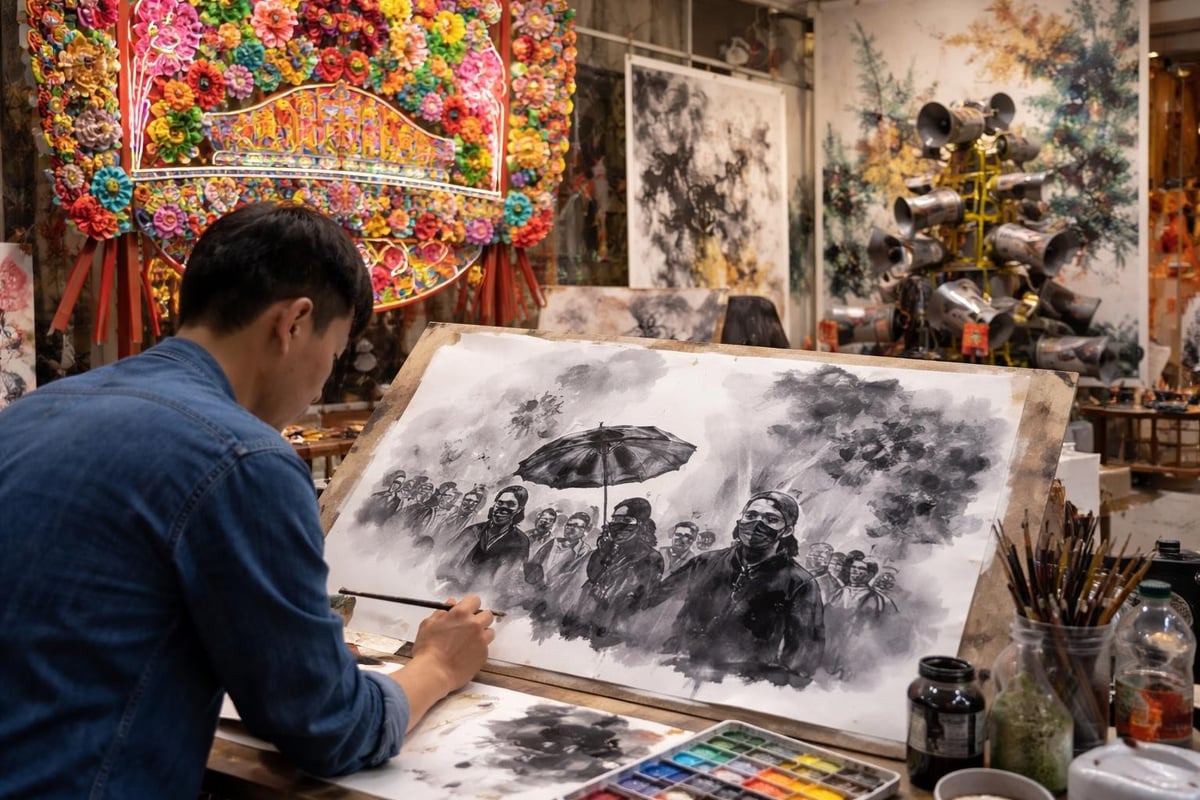
Street art in Hong Kong often carries political and social commentary. The artistic expressions during the Umbrella Movement showed how creative work serves as both protest and documentation, with installations and performances becoming integral to democratic expression.
The Role of Interactive Art
The Hong Kong 3D Museum represents a different approach to public engagement, using optical illusions and trompe-l'œil techniques to create participatory experiences. This type of artwork Hong Kong visitors photograph and share widely differs from traditional museum pieces by prioritizing interaction over contemplation.
Large-scale public projects continue this trend. The "PANDA GO! FEST HK" exhibition featured 2,500 panda sculptures made from recycled materials, addressing environmental concerns while creating Instagram-worthy moments throughout the city.
| Installation Type | Primary Purpose | Audience Engagement | Duration |
|---|---|---|---|
| Street Murals | Beautification, Social Commentary | Passive Viewing | Permanent/Semi-permanent |
| 3D Art Museums | Entertainment, Tourism | Active Participation | Ongoing |
| Temporary Exhibitions | Cultural Events, Awareness | Mixed Interaction | Seasonal |
| Comic Character Statues | Cultural Heritage | Photography, Recognition | Permanent |
Traditional Art Forms in Modern Context
Traditional Chinese art forms maintain relevance in contemporary Hong Kong through innovative reinterpretation. The traditional flower plaque represents centuries of craftsmanship, with its intricate designs and cultural symbolism continuing to influence modern decorative arts.
Artists working in traditional media find new audiences by connecting historical techniques with current themes. Ink painters explore abstract compositions while maintaining brush discipline, creating artwork Hong Kong collectors appreciate for both technical mastery and conceptual innovation.
Comics and Popular Culture
The Hong Kong Avenue of Comic Stars celebrates the city's significant contribution to comic art, with statues honoring beloved characters. This recognition of popular culture as legitimate artistic expression reflects broader trends in the art world, where boundaries between high and low art continue to dissolve.
Artists like Mak2 bridge multiple disciplines, incorporating social commentary and humor into installations, paintings, and video works. This multidisciplinary approach characterizes much of Hong Kong's most interesting contemporary output, where artists refuse to be confined by medium or tradition.
Collecting Strategies for Hong Kong Art
Building a collection of artwork Hong Kong produces requires understanding both local dynamics and broader market forces. Emerging collectors should consider several factors before making purchases, from artist trajectory to investment potential.
Essential Steps for New Collectors
- Education: Visit galleries regularly, attend openings, and read art publications
- Budget establishment: Determine comfortable spending levels before browsing
- Relationship building: Connect with gallery directors and other collectors
- Space assessment: Consider where artwork will be displayed and stored
- Documentation: Maintain records of purchases, provenance, and condition
- Insurance: Protect valuable pieces through appropriate coverage
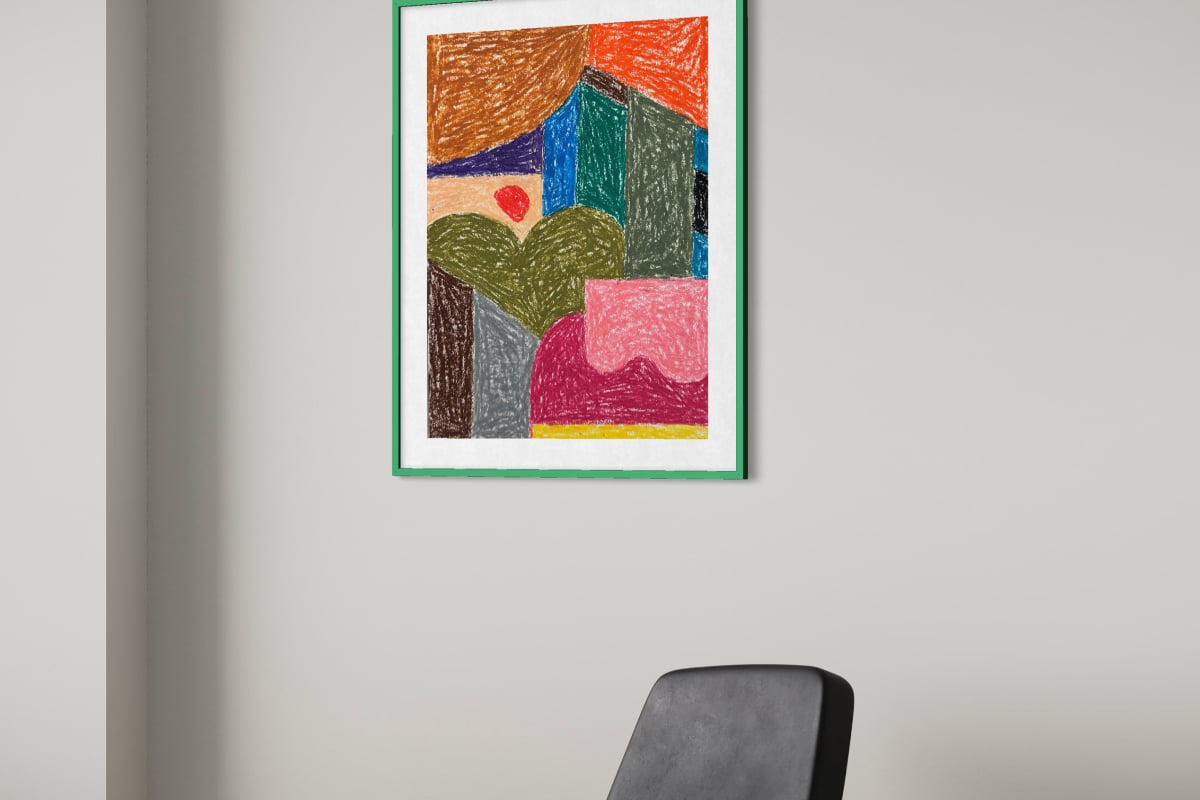
Collectors increasingly seek works that resonate personally while maintaining appreciation potential. Original pieces offer unique ownership experiences that prints cannot replicate, though high-quality prints democratize access to artists' visions. For those interested in geometric abstraction and chromatic exploration, works like the chromatic study demonstrate how contemporary artists use layered composition to create visual tension and balance on archival paper. These one-of-a-kind pieces, signed and dated with certificates of authenticity, represent accessible entry points into serious collecting.
Understanding Market Dynamics
The Hong Kong art market operates at multiple price points, from affordable prints to auction records in the millions. Primary market purchases directly from galleries or artists typically offer better value than secondary market acquisitions, though established artists command premiums regardless of venue.
| Price Range | Typical Medium | Artist Profile | Purchase Venue |
|---|---|---|---|
| Under $5,000 | Prints, Small Works | Emerging Artists | Artist Studios, Online |
| $5,000-$50,000 | Paintings, Photographs | Mid-career Artists | Galleries, Art Fairs |
| $50,000-$500,000 | Major Works | Established Artists | Major Galleries, Auctions |
| Above $500,000 | Museum-quality Pieces | Blue-chip Artists | International Auctions, Private Sales |
Design Integration and Display
How artwork Hong Kong collectors display their acquisitions significantly impacts both aesthetic enjoyment and preservation. Professional framing protects works while enhancing visual presentation, with archival materials preventing deterioration over time.
Interior designers increasingly collaborate with art consultants to create cohesive environments. Spaces like Peridot bar demonstrate how art and design merge to create immersive experiences, with carefully selected pieces contributing to overall atmosphere and brand identity.
Lighting and Conservation Considerations
Proper lighting makes the difference between showcasing art effectively and causing irreversible damage. Natural light, while beautiful, contains ultraviolet rays that fade pigments and degrade materials. Solutions include:
- UV-filtering window films or glazing
- Adjustable track lighting with LED bulbs
- Museum-quality picture lights
- Automated systems that reduce exposure during peak sunlight hours
Climate control matters equally, as temperature and humidity fluctuations cause materials to expand and contract. Maintaining stable conditions between 65-75°F and 40-50% relative humidity protects most artworks from environmental damage.
Commissioning Custom Artwork
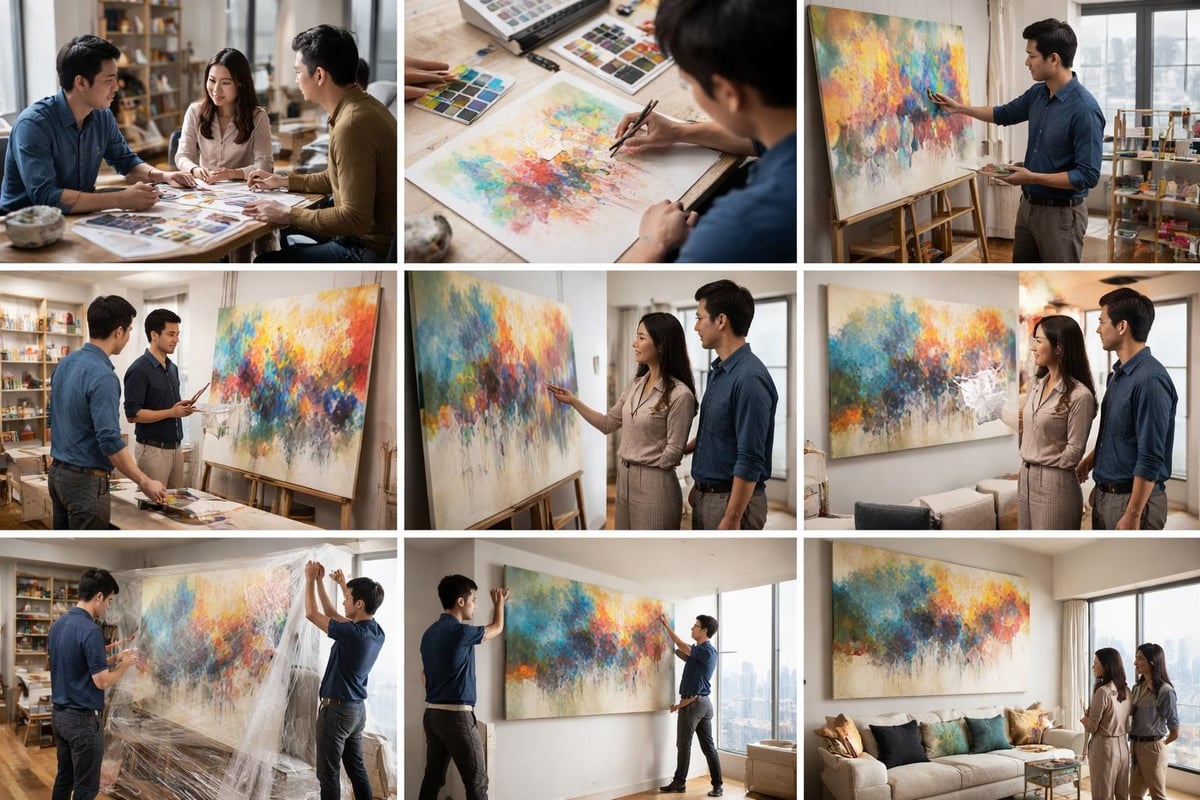
Many collectors eventually commission pieces tailored to specific spaces or themes. This process offers unique rewards while requiring clear communication and realistic expectations. Artists working on commission need detailed information about dimensions, color preferences, and conceptual direction.
The commissioning process typically follows these stages:
- Initial consultation discussing vision and parameters
- Preliminary sketches or digital mockups for approval
- Creation phase with periodic progress updates
- Final presentation and installation planning
- Delivery and placement in designated location
Custom artwork Hong Kong artists create for commission often becomes the centerpiece of collections, representing collaborative relationships between creator and patron. These pieces carry additional meaning beyond aesthetic qualities, embodying shared vision and mutual trust.
Digital Art and NFTs in Hong Kong
The digital revolution has transformed how artwork Hong Kong audiences engage with, collect, and trade. Non-fungible tokens (NFTs) entered the market dramatically, though their long-term impact remains debated. Some collectors embrace blockchain verification and digital ownership, while others question whether files on screens carry the same cultural weight as physical objects.
Traditional galleries have approached digital art cautiously, with some hosting NFT exhibitions while others maintain focus on tangible works. This tension between innovation and tradition characterizes broader art world discussions about value, authenticity, and what constitutes legitimate artistic practice.
Hybrid Approaches
Forward-thinking artists create hybrid works that exist both physically and digitally. A painting might include an NFT component, or a sculpture might trigger augmented reality experiences when viewed through smartphones. These experiments expand possibilities while acknowledging that many collectors still prize objects they can touch and display.
The technology also offers practical benefits, from provenance tracking through blockchain records to authentication systems that combat forgery. As these tools mature, they may become standard practice regardless of whether purely digital works achieve lasting market acceptance.
Supporting Emerging Artists
Artwork Hong Kong's future depends on supporting emerging talents who will shape the next generation of creative expression. Young artists face challenges including high rental costs, limited studio space, and competition for gallery representation. Collectors can contribute by purchasing works directly, attending emerging artist exhibitions, and spreading awareness through social networks.
Artist residencies and grant programs provide crucial support, offering time and resources to develop new bodies of work. Organizations throughout Hong Kong facilitate these opportunities, connecting artists with funding, exhibition spaces, and international networks.
Purchasing from emerging artists offers benefits beyond supporting individual careers:
- Accessibility: Works remain affordable before artists gain wider recognition
- Discovery: Collectors identify talent before consensus develops
- Relationships: Direct interactions with artists enrich understanding
- Growth: Watching artists develop over years provides unique satisfaction
- Value: Early purchases may appreciate significantly as careers advance
Cross-Cultural Influences and Global Connections
Hong Kong's position between East and West creates unique opportunities for artistic synthesis. Artists absorb influences from Chinese ink painting traditions, Japanese minimalism, European conceptual art, and American pop culture, creating hybrid forms that reflect genuinely globalized perspectives.
International art fairs strengthen these connections, bringing artwork Hong Kong galleries represent into conversation with pieces from Seoul, Tokyo, Shanghai, Singapore, and beyond. These exchanges benefit everyone involved, exposing collectors to diverse practices while providing artists access to new markets and influences.
The artist's bio and artistic statement provide insights into how individual practitioners develop their visual language, exploring themes like chromatic architecture and counterform through original paintings and objects. Understanding an artist's conceptual framework enhances appreciation beyond surface aesthetics.
Educational Resources and Community Engagement
Museums, galleries, and cultural centers offer programs that deepen public engagement with artwork Hong Kong institutions steward. Lectures, workshops, and guided tours make art accessible to audiences regardless of prior knowledge or collecting experience.
Online resources have expanded educational possibilities dramatically. Virtual exhibitions allow viewers worldwide to explore collections, while digital archives preserve documentation of temporary installations and performances. These tools complement rather than replace in-person experiences, as viewing art physically still offers irreplaceable qualities.
Community engagement extends beyond formal education to grassroots initiatives where artists work directly with neighborhoods. Mural projects involve local residents in design and execution, while pop-up exhibitions activate underutilized spaces. These efforts demonstrate art's capacity to strengthen social bonds and improve quality of life beyond aesthetic contributions.
Hong Kong's art scene offers remarkable diversity, from traditional forms to experimental installations, street murals to high-end galleries. Whether you're beginning to collect or seeking to deepen your engagement, the city provides endless opportunities to discover meaningful work. For those drawn to chromatic exploration and geometric abstraction, Nathalie Chikhi creates original artworks and prints that investigate balance, tension, and color relationships through painting on canvas and paper, with pieces available for online purchase and commission opportunities for custom projects.
