

The world of paper prints art represents a fascinating intersection of traditional craftsmanship and contemporary artistic vision. This medium has captivated collectors and artists for centuries, offering unique opportunities for both creative expression and art acquisition. Whether you're drawn to the rich textures of relief printing or the delicate nuances of chromatic compositions, understanding the fundamentals of paper prints art enhances your appreciation and informed collecting decisions. As we navigate through 2026's vibrant art landscape, the accessibility and diversity of prints continue to democratize fine art ownership while maintaining rigorous artistic standards.
Understanding Paper Prints Art Fundamentals
Paper prints art encompasses a broad spectrum of techniques, materials, and artistic approaches that distinguish it from other art forms. At its core, this medium relies on the careful interplay between printing methods, paper selection, and artistic vision.
The Essential Components of Quality Prints
The foundation of exceptional paper prints art begins with understanding three critical elements that determine both aesthetic impact and longevity.
Paper quality stands as the paramount consideration. Archival-grade papers ensure your artwork maintains its vibrancy and structural integrity for generations. These specialized substrates resist yellowing, acid degradation, and environmental damage that plague lower-quality alternatives.
Printing technique directly influences the character and texture of the final piece. Different methods produce distinct visual signatures, from the bold relief of woodcuts to the subtle gradations possible with lithography.
Artist involvement separates original prints from mere reproductions. Authentic paper prints art requires the artist's direct participation in creating the printing matrix, selecting materials, and approving each impression.
| Quality Factor | Impact on Artwork | Longevity Consideration |
|---|---|---|
| Archival Paper | Color preservation | 100+ years |
| Artist-Grade Inks | Fade resistance | Museum-quality permanence |
| Proper Edition Numbering | Authenticity verification | Maintains collector value |
| Artist Signature | Provenance tracking | Essential for resale |
Traditional Printmaking Techniques
The history of paper prints art spans centuries, with traditional printmaking techniques forming the foundation of contemporary practice. Each method offers distinct aesthetic possibilities and technical challenges.
Relief Printing Methods
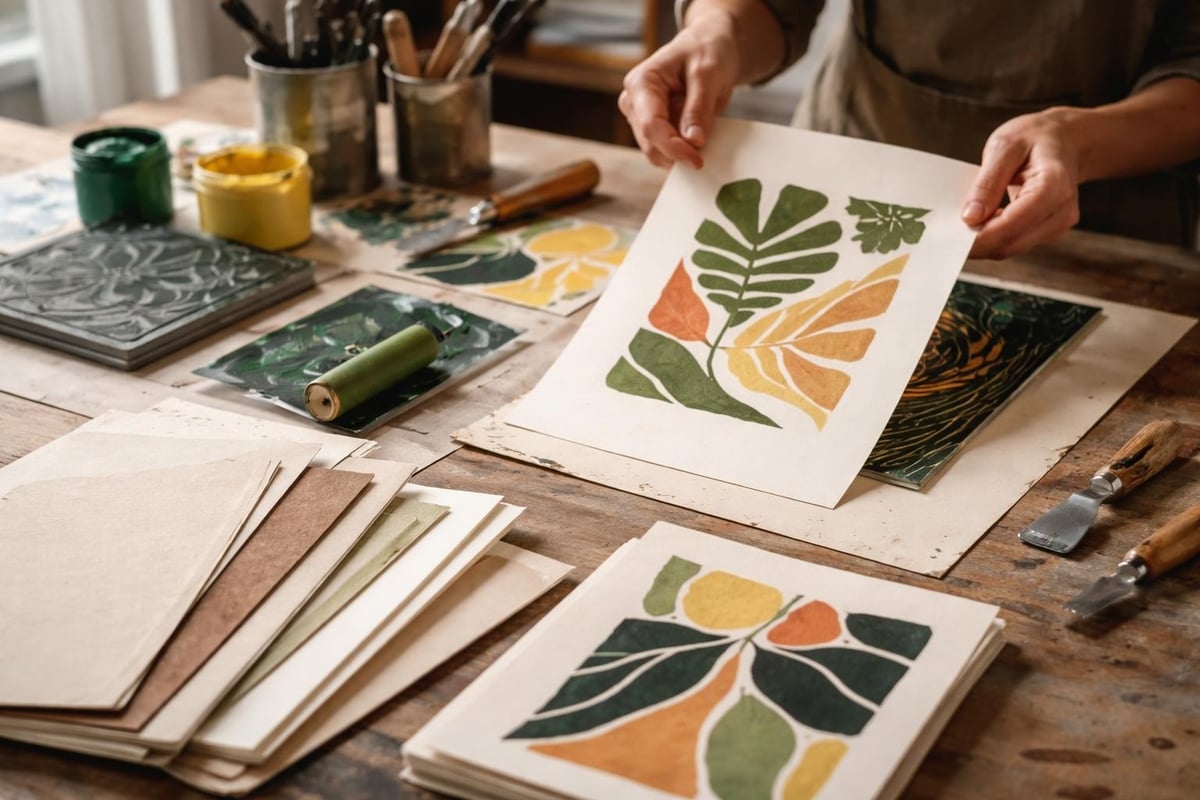
Relief printing creates images by carving away negative space from a surface, leaving raised areas to receive ink. This category includes woodcuts, linocuts, and wood engravings.
- Woodcut printing produces bold, graphic images with strong contrasts
- Linocut techniques offer greater ease of carving for contemporary artists
- Wood engraving enables fine detail through specialized tools and end-grain blocks
The tactile quality of relief prints gives paper prints art a dimensional presence that resonates with collectors seeking authentic handcrafted character.
Intaglio and Planographic Processes
Intaglio methods create images through incised lines that hold ink below the plate surface. Etching, engraving, and drypoint fall within this category, each producing distinctive line qualities.
Lithography operates on different principles entirely, relying on the chemical repulsion between oil and water. This planographic technique allows artists to work directly on limestone or specially prepared plates, translating gestural marks with exceptional fidelity.
Selecting Paper for Artistic Prints
The substrate chosen for paper prints art profoundly affects both immediate visual impact and long-term preservation. Understanding paper characteristics and selection criteria empowers collectors to make informed acquisition decisions.
Paper Weight and Texture Considerations
Professional artists select papers based on multiple factors that influence how prints absorb ink and display detail.
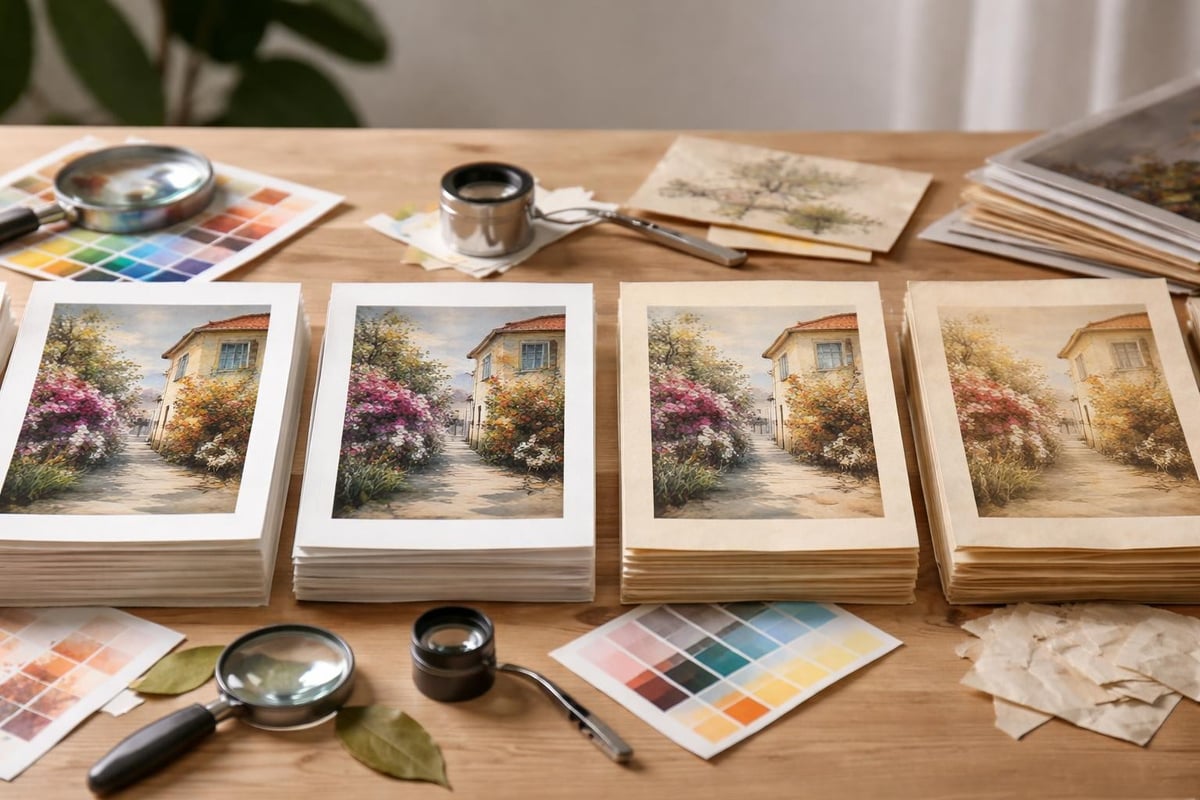
Weight measurements indicate paper thickness and durability. Heavier weights (250gsm and above) provide substantial presence and resist warping during the printing process. Medium weights (150-200gsm) offer versatility for various techniques while maintaining affordability.
Surface texture dramatically affects visual character. Hot-pressed papers deliver smooth surfaces ideal for fine detail, while cold-pressed varieties introduce subtle tooth that adds dimension to chromatic work.
The collections at Nathalie Chikhi's online gallery demonstrate how archival paper selection elevates original compositions. Works like those in the chromatic architecture collection showcase how premium substrates enhance color saturation and geometric precision.
Cotton Rag Versus Wood Pulp Papers
| Paper Type | Composition | Best Applications | Archival Rating |
|---|---|---|---|
| 100% Cotton Rag | Pure cotton fibers | Fine art editions, museum pieces | Excellent (200+ years) |
| Alpha Cellulose | Purified wood pulp | Student work, proofs | Good (50-100 years) |
| Mixed Content | Cotton/wood blend | Commercial prints | Fair (25-50 years) |
Cotton rag papers represent the gold standard for serious paper prints art. Their neutral pH, superior strength, and resistance to environmental degradation justify the premium investment for collectors prioritizing longevity.
Contemporary Approaches to Paper Prints Art
Modern artists push traditional boundaries while respecting time-honored techniques, creating innovative expressions within the paper prints art medium. This evolution reflects both technological advances and shifting aesthetic sensibilities.
Digital Integration and Hybrid Methods
Contemporary practice increasingly blends digital processes with traditional printmaking. Artists may create initial compositions digitally before translating them through screen printing or other tactile methods. This approach maintains the handcrafted qualities collectors value while leveraging digital precision.
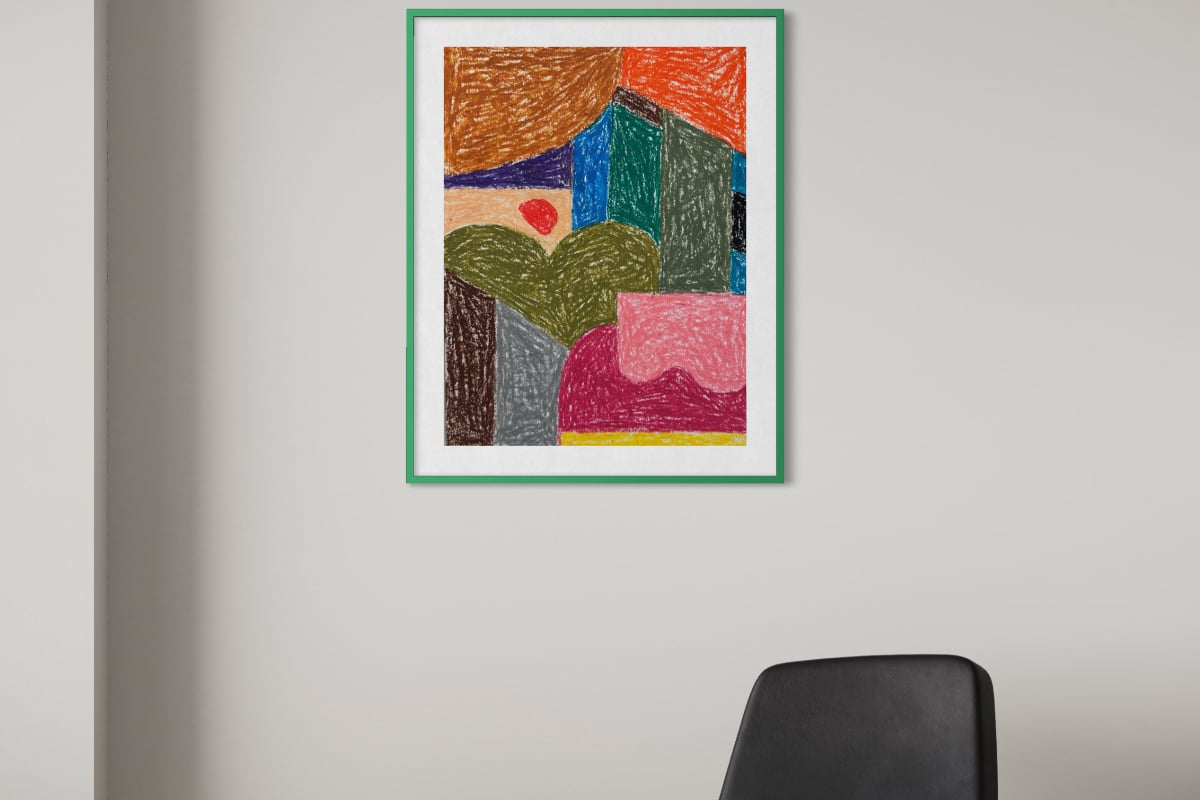
Oil pastel on archival paper represents one compelling contemporary direction. This medium allows direct mark-making with rich pigmentation and textural variety. Artists working in this mode create unique pieces rather than editions, each composition exploring chromatic relationships through layered geometry.
Works like The Chromatic Study 8.5x11 demonstrate how contemporary paper prints art can embrace vibrant color palettes spanning yellows, blues, and pinks while maintaining rigorous compositional structure. These one-of-a-kind pieces include certificates of authenticity and artist signatures, bridging traditional print values with contemporary studio practice.
Exploring Counterform and Geometric Abstraction
Many contemporary artists working in paper prints art investigate geometric abstraction and counterform concepts. These approaches emphasize:
- Spatial relationships between positive and negative space
- Color theory applications through systematic exploration
- Balance and tension within compositional frameworks
- Modular arrangements that create larger visual narratives
The counterform collection exemplifies these contemporary explorations, where each work investigates how shapes interact and define one another through chromatic contrast.
Building a Paper Prints Art Collection
Collecting art prints requires knowledge, patience, and strategic thinking. Successful collectors develop expertise that guides acquisition decisions and portfolio development.
Edition Understanding and Numbering
Print editions communicate important information about scarcity and production standards. Traditional numbering appears as fractions (e.g., 15/50), where the numerator indicates the specific impression and the denominator shows total edition size.
Artist's proofs marked "A/P" or "E/A" exist outside numbered editions, typically reserved for the artist's collection or special purposes. These often command premium prices due to their rarity.
Unique works carry special significance in paper prints art. Single compositions created through printmaking techniques or direct media offer collectors one-of-a-kind ownership without edition limitations.
Condition Assessment and Conservation
Proper evaluation protects your investment and ensures long-term satisfaction with acquired works.
- Examine paper condition for foxing, staining, or discoloration
- Verify signature authenticity through comparison with documented examples
- Check margins for appropriate width and freedom from damage
- Assess color fidelity against catalog records or other impressions
- Document provenance through receipts, certificates, and exhibition history
Professional conservation becomes necessary when damage occurs or preventive measures require expert intervention. Consulting certified paper conservators preserves value and extends artwork lifespan.
Displaying and Preserving Your Collection
Proper presentation enhances enjoyment while protecting paper prints art from environmental threats. Strategic decisions about framing, lighting, and placement safeguard your investment.
Framing Specifications for Paper Art
Museum-quality framing serves both aesthetic and protective functions. Essential components include:
- UV-filtering glazing blocks harmful wavelengths that fade pigments
- Acid-free matting prevents chemical migration that damages paper
- Spacers maintain separation between glazing and artwork surface
- Backing boards provide structural support and environmental barriers
Professional framers experienced with paper prints art understand these requirements and can recommend specifications appropriate for specific works and display environments.
Environmental Control Strategies
Climate stability prevents the expansion, contraction, and chemical reactions that compromise paper artwork. Maintain consistent temperature (65-70°F) and relative humidity (40-50%) in display areas.
Lighting considerations balance visibility with preservation. Limit exposure to 50 lux or less for sensitive works, using LED sources that emit minimal UV radiation and heat. Rotate displayed pieces periodically, allowing rested works to recover in dark storage.
The paintings on paper collection demonstrates the diverse possibilities within this medium, from gestural abstractions to structured compositions that explore chromatic relationships.
Investment Perspectives on Paper Prints Art
Understanding market dynamics helps collectors make strategic acquisition decisions aligned with both aesthetic preferences and financial considerations.
Evaluating Artist Reputation and Trajectory
Emerging artists offer accessible entry points with growth potential, while established names provide stability and recognized value. Research exhibition history, critical reception, and institutional collections when assessing artists.
Documentation matters significantly for resale value. Certificates of authenticity, provenance records, and professional appraisals strengthen marketability and justify pricing during future transactions.
Edition Size Impact on Value
Smaller editions generally command higher per-print prices due to scarcity. However, larger editions by significant artists may appreciate substantially based on reputation rather than rarity alone.
| Edition Type | Typical Size | Value Factors | Collector Appeal |
|---|---|---|---|
| Limited Edition | 25-100 prints | Scarcity, artist reputation | High for established artists |
| Open Edition | Unlimited during period | Artist fame, demand | Variable, often lower |
| Unique Works | Single impression | Rarity, artistic merit | Highest for quality pieces |
Consider your collecting goals when evaluating edition structures. Pure aesthetic enjoyment justifies different decisions than investment-focused acquisition strategies.
Commissioning Original Paper Works
Custom commissions offer unique opportunities to acquire paper prints art tailored to specific preferences and spaces. This collaborative process creates meaningful connections between collectors and artists.
The Commission Process
Successful commissions begin with clear communication about expectations, timelines, and deliverables. Discuss size constraints, color preferences, thematic interests, and intended display locations during initial consultations.
Artists may provide preliminary sketches or digital mockups before creating final works. This iterative approach ensures alignment between vision and execution, reducing disappointment and maximizing satisfaction.
Pricing structures for commissioned paper prints art vary based on size, complexity, materials, and artist experience. Request detailed quotes covering all costs, including framing if desired, to avoid unexpected expenses.
The art commissions section provides pathways for collectors seeking personalized works that reflect individual aesthetic sensibilities while supporting living artists.
Caring for Paper Prints Art Long-Term
Responsible stewardship ensures paper prints art remains vibrant and structurally sound for future generations. Implementing proper care protocols protects both aesthetic qualities and financial value.
Storage Best Practices
Unframed prints require careful storage to prevent damage during periods between display rotations or before framing decisions finalize.
- Store prints flat in acid-free folders or solander boxes
- Interleave works with glassine or acid-free tissue
- Maintain stable environment matching display recommendations
- Avoid basement or attic storage where humidity and temperature fluctuate
- Handle prints with clean hands or cotton gloves, touching only edges
Documentation systems track collection contents, acquisition details, and condition reports. Photograph works upon acquisition and update records following condition changes or conservation treatments.
Insurance and Appraisal Considerations
Valuable collections warrant specialized insurance coverage beyond standard homeowner policies. Fine art insurance provides agreed-value coverage, eliminating depreciation disputes during claims settlement.
Professional appraisals establish documented values for insurance purposes and estate planning. Engage certified appraisers with relevant expertise in paper prints art and contemporary markets for credible valuations.
Emerging Trends in Paper Prints Art
The contemporary paper prints art landscape continues evolving as artists explore new techniques, materials, and conceptual frameworks. Staying informed about current directions enhances collecting sophistication.
Sustainable and Experimental Materials
Environmental consciousness drives experimentation with alternative substrates and eco-friendly inks. Artists investigate plant-based papers, recycled fibers, and non-toxic pigments that reduce ecological impact without compromising artistic quality.
Collaborative editions between artists and master printers generate exciting results. These partnerships leverage technical expertise and creative vision, producing works neither party could achieve independently.
Cross-Cultural Influences
Globalization exposes artists to diverse printmaking traditions, from Japanese woodblock techniques to Mexican papel amate processes. This cultural exchange enriches contemporary practice, introducing fresh perspectives and hybrid methodologies.
The drawings collection showcases how traditional media intersects with contemporary vision, creating works that honor historical precedents while asserting modern sensibilities.
Paper prints art offers collectors accessible entry into fine art ownership while supporting living artists and preserving important cultural traditions. Whether you're drawn to traditional printmaking techniques or contemporary explorations in chromatic composition, informed collecting decisions enhance both enjoyment and investment outcomes. Nathalie Chikhi creates original artworks and prints that exemplify the highest standards of paper-based art, from geometric abstractions exploring counterform concepts to vibrant chromatic studies on archival substrates. Explore her collections today to discover unique pieces that bring sophisticated artistic vision into your space.
