

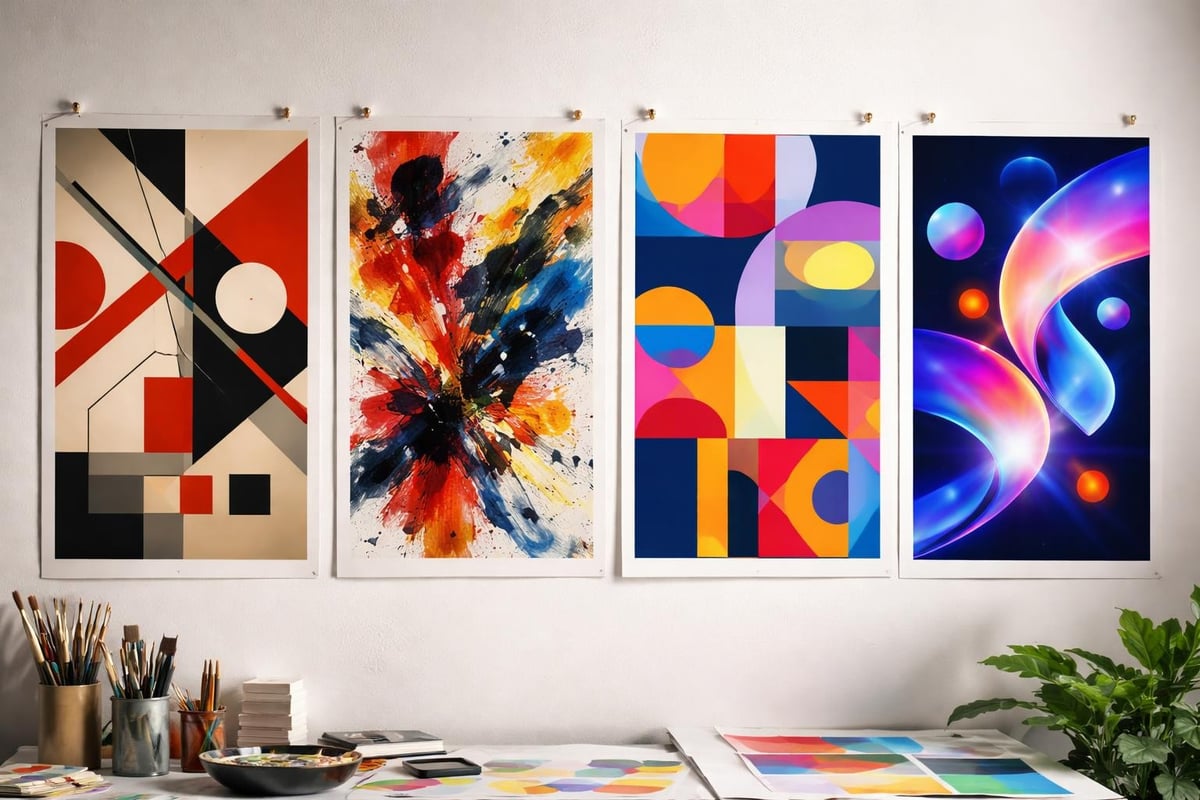
Poster art abstract has revolutionized how we think about visual communication and decorative expression in contemporary spaces. This dynamic art form merges the accessibility of poster design with the emotional depth of abstract art, creating pieces that serve both functional and aesthetic purposes. Whether adorning gallery walls, home interiors, or commercial spaces, abstract poster art offers a unique blend of artistic vision and graphic clarity that resonates with modern audiences seeking bold, meaningful visual statements.
The Evolution of Abstract Poster Design
The journey of poster art abstract began in the early 20th century when artists started breaking away from representational imagery. The Polish School of Posters pioneered this transformation by combining abstract elements with graphic design principles, creating a visual language that communicated through form, color, and composition rather than literal representation.
Constructivism played a pivotal role in shaping abstract poster aesthetics. This movement emphasized geometric forms, functional design, and bold typography, establishing principles that continue to influence contemporary poster art. Artists discovered that abstract elements could convey complex ideas and emotions more effectively than traditional imagery, opening new possibilities for visual communication.
Historical Movements Shaping Modern Aesthetics
Several key art movements have contributed to the development of poster art abstract as we know it today. Abstract Expressionism introduced spontaneous mark-making and emotional intensity, while Lyrical Abstraction brought personal expression and fluid compositions into the mix.
The mid-20th century witnessed an explosion of experimentation. Artists began treating posters not just as advertising tools but as legitimate art forms worthy of gallery exhibition. This shift elevated the medium and encouraged more sophisticated approaches to composition, color theory, and visual hierarchy.
Core Design Principles in Abstract Poster Art
Creating compelling poster art abstract requires understanding fundamental design principles that govern visual impact and aesthetic balance. These guidelines help artists transform raw creative impulses into cohesive, powerful compositions.
Compositional Balance and Visual Weight
Balance in abstract poster design doesn't mean symmetry. It involves distributing visual elements so the composition feels stable and intentional. Artists achieve this through:
- Asymmetrical arrangements that create dynamic tension
- Strategic placement of focal points to guide the viewer's eye
- Color distribution that prevents any single area from dominating
- Negative space utilization that gives compositions room to breathe
Visual weight refers to how much attention different elements command. Large shapes, saturated colors, and textured areas naturally draw more focus than smaller, muted, or smooth elements. Skilled abstract poster artists manipulate these variables to create intentional visual hierarchies.
Color Theory and Chromatic Relationships
Color serves as the primary emotional driver in poster art abstract. Understanding chromatic relationships allows artists to evoke specific moods and create visual harmony or deliberate discord.
| Color Relationship | Visual Effect | Emotional Impact |
|---|---|---|
| Complementary | High contrast, vibrant | Energetic, bold, attention-grabbing |
| Analogous | Harmonious, flowing | Calm, cohesive, soothing |
| Triadic | Balanced, diverse | Playful, dynamic, sophisticated |
| Monochromatic | Unified, subtle | Elegant, focused, contemplative |
Contemporary artists often explore chromatic architecture, building compositions around carefully selected color palettes that create specific atmospheric effects. This approach transforms simple geometric forms into emotionally resonant visual experiences.
Technical Approaches and Materials
The materials and techniques used in creating poster art abstract significantly influence the final aesthetic and tactile qualities of the work. Modern artists have access to both traditional and digital tools, each offering distinct advantages.
Traditional Media and Physical Processes
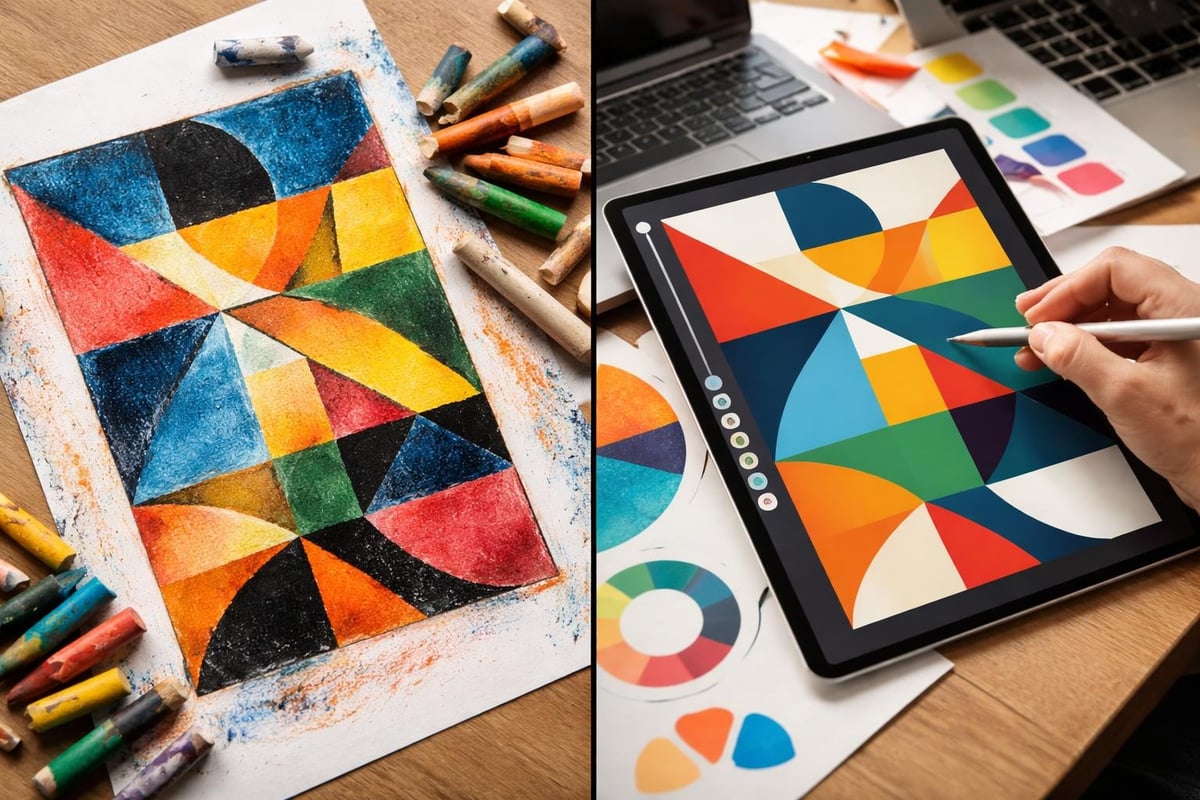
Traditional approaches to abstract poster creation involve hands-on manipulation of physical materials. Oil pastels, acrylics, and mixed media allow for textural depth and authentic mark-making that digital tools often struggle to replicate.
Oil pastels, in particular, offer rich color saturation and blending capabilities perfect for chromatic compositions. Artists layer pigments to build complex surfaces where colors interact organically, creating visual depth that draws viewers into the composition. Works like The Chromatic Study 8.5x11 demonstrate how oil pastel on archival paper can produce vibrant abstract compositions that balance geometric precision with expressive color application.
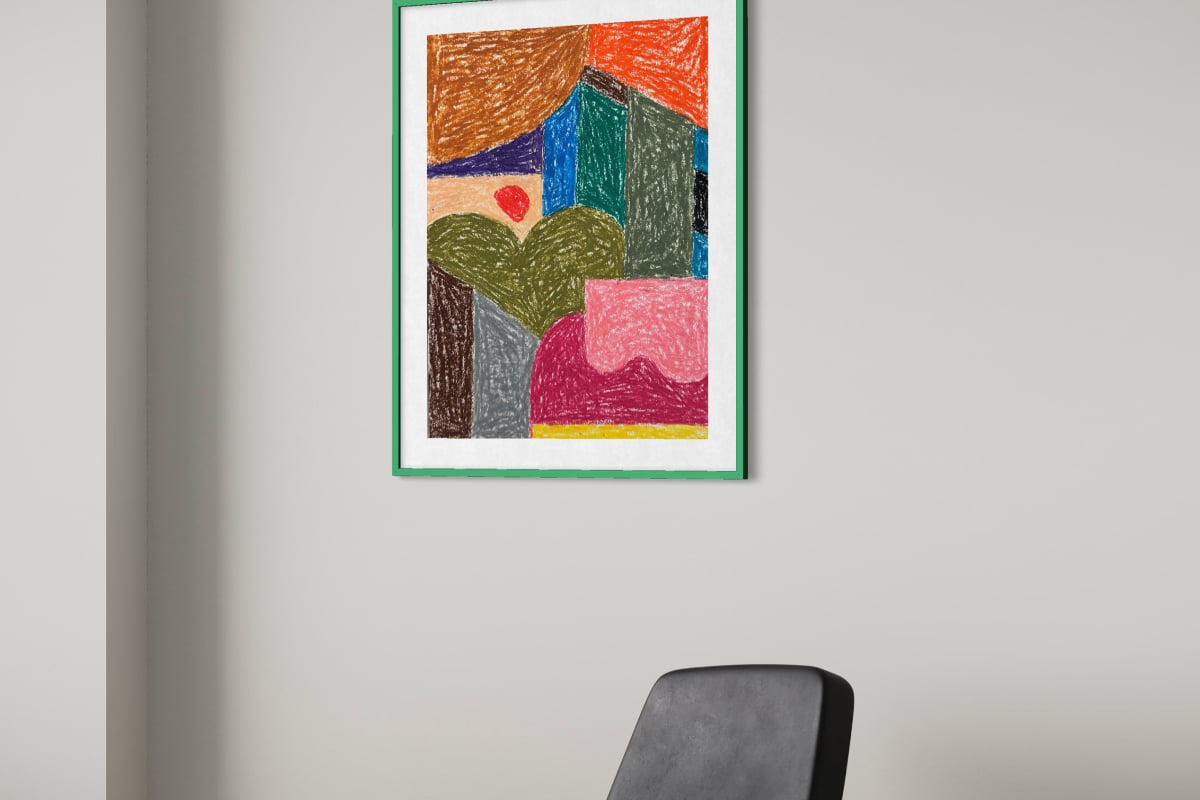
Archival paper ensures longevity and color stability, critical considerations for collectors investing in original abstract poster art. The substrate choice affects how pigments absorb and reflect light, influencing the overall visual impact.
Digital Creation and Hybrid Methods
Digital tools have expanded the possibilities for poster art abstract creation. Software platforms enable precise geometric constructions, infinite color experimentation, and non-destructive editing workflows that accelerate creative exploration.
Many contemporary artists adopt hybrid approaches, combining traditional sketching and painting with digital refinement. This methodology preserves the authentic gestural quality of hand-drawn elements while leveraging digital precision for composition adjustments and color calibration.
Recent research, including frameworks for generating aesthetic posters, explores how computational systems can assist in creating visually compelling abstract designs. These technologies analyze compositional principles and color relationships to suggest optimizations while preserving artistic intent.
Geometric Forms and Structural Elements
Geometry provides the structural foundation for most poster art abstract compositions. Circles, rectangles, triangles, and irregular polygons serve as building blocks that artists arrange, overlap, and fragment to create visual narratives.
The Language of Shapes
Each geometric form carries inherent psychological associations. Circles suggest continuity, wholeness, and organic flow. Rectangles convey stability, structure, and human-made order. Triangles imply direction, movement, and dynamic tension.
Sophisticated abstract poster artists manipulate these associations deliberately:
- Establish primary forms that anchor the composition
- Introduce secondary elements that create visual dialogue
- Layer shapes to build depth and complexity
- Fragment or distort forms to generate visual interest
- Balance positive and negative space for compositional harmony
The interplay between geometric precision and organic variation creates visual tension that keeps compositions engaging. Too much regularity feels mechanical, while excessive randomness appears chaotic. Successful poster art abstract navigates this spectrum intentionally.
Counterform and Negative Space
Counterform-the shapes created between and around primary elements-plays an equally important role in abstract poster composition. Skilled artists design both the positive shapes and the negative spaces they create, ensuring every area contributes to the overall visual statement.
This dual awareness transforms simple arrangements into sophisticated compositions where figure and ground engage in dynamic conversation. The negative space becomes an active participant rather than merely leftover area.
Contemporary Applications and Display Contexts
Poster art abstract serves diverse functions in 2026, from fine art gallery exhibitions to interior design elements and commercial applications. Understanding these contexts helps artists create work that resonates with intended audiences.
Gallery and Exhibition Settings
In gallery contexts, abstract posters compete for attention with traditional paintings and sculptures. Successful exhibition pieces typically feature:
- Bold scale that commands wall space effectively
- Sophisticated color relationships that reward extended viewing
- Conceptual depth that invites interpretation and discussion
- Technical excellence in execution and presentation
Framing and mounting significantly impact how viewers perceive abstract poster art. Clean, minimal frames emphasize the work itself, while elaborate frames can add gravitas but risk overwhelming subtle compositions.
Interior Design Integration
Abstract posters have become essential elements in contemporary interior design, offering accessible ways to introduce artistic sophistication into residential and commercial spaces. Designers value poster art abstract for its:
- Ability to tie together color schemes across rooms
- Flexibility in scale to suit various wall dimensions
- Modern aesthetic that complements contemporary architecture
- Cost-effectiveness compared to original paintings
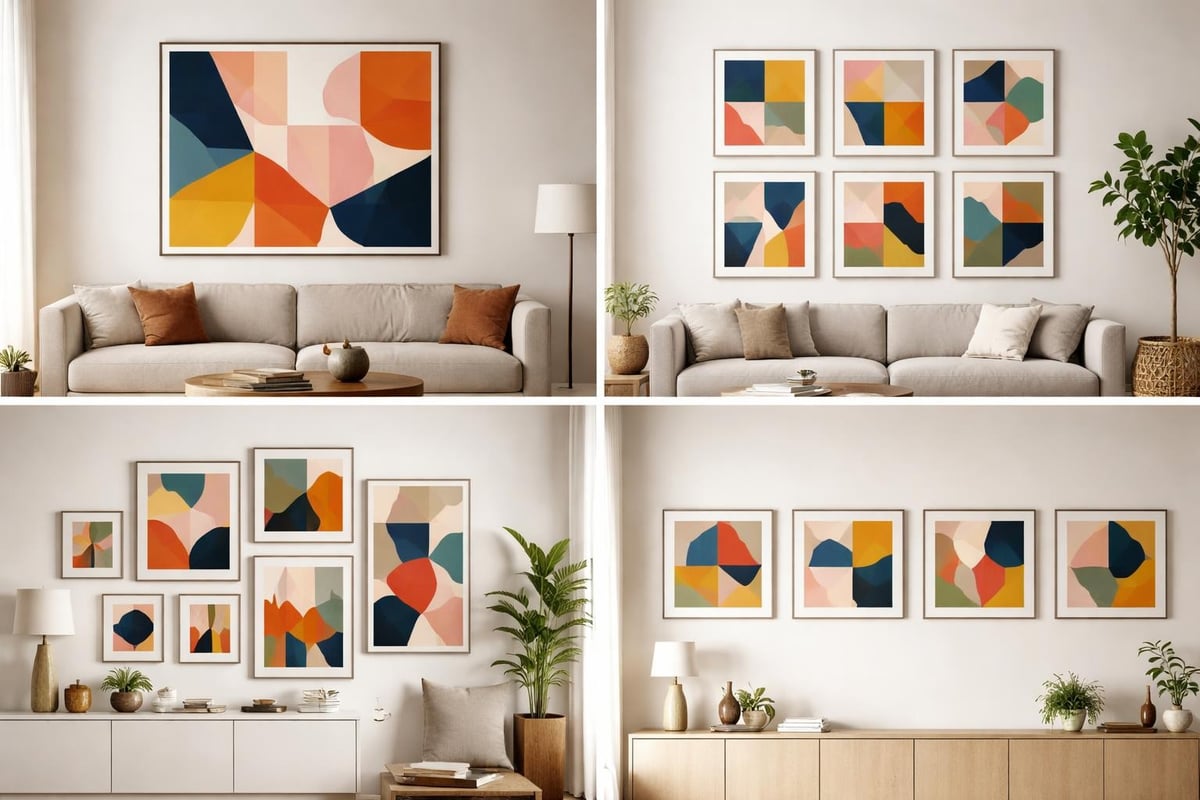
When selecting abstract posters for interiors, consider the existing palette, lighting conditions, and desired emotional atmosphere. Large-format pieces create focal points, while series or grids distribute visual interest across larger walls.
Collecting and Commissioning Abstract Poster Art
The market for poster art abstract has expanded significantly as collectors recognize the medium's artistic legitimacy and investment potential. Understanding collection strategies and commissioning processes helps buyers make informed decisions.
Evaluating Quality and Value
Not all abstract posters offer equal artistic or financial value. Collectors should assess several factors when evaluating pieces:
| Evaluation Criteria | What to Look For | Why It Matters |
|---|---|---|
| Originality | Unique compositions, not mass-produced | Ensures artistic integrity and potential value appreciation |
| Materials | Archival papers, lightfast pigments | Affects longevity and preservation |
| Edition Size | Limited editions or one-of-a-kind pieces | Influences scarcity and collectibility |
| Artist Reputation | Exhibition history, critical recognition | Indicates market positioning |
| Documentation | Certificates of authenticity, signatures | Verifies provenance and legitimacy |
Original works on archival paper with hand-applied media generally command higher values than digital prints, though exceptional digital pieces by recognized artists can also appreciate significantly.
The Commission Process
Commissioning custom poster art abstract allows collectors to obtain pieces specifically tailored to their aesthetic preferences and spatial requirements. Successful commissions involve clear communication about:
- Size specifications and intended display location
- Color palette preferences aligned with existing décor
- Compositional style-geometric versus organic, minimal versus complex
- Budget parameters including framing if applicable
- Timeline expectations for creation and delivery
Artists typically provide preliminary sketches or digital mockups before proceeding with final execution. This collaborative approach ensures the finished piece meets collector expectations while preserving artistic integrity.
Curatorial Considerations and Display Strategies
How abstract posters are displayed profoundly affects their visual impact and the overall atmosphere of a space. Thoughtful curation transforms individual pieces into cohesive visual experiences.
Single Statement Pieces
Large-scale abstract posters function effectively as standalone focal points. When displaying a single piece:
- Position at eye level for optimal viewing (typically 57-60 inches center height)
- Ensure adequate negative wall space surrounding the piece
- Consider lighting that enhances color saturation without causing glare
- Select complementary wall colors that don't compete for attention
The scale relationship between artwork and wall is critical. Oversized pieces on small walls feel cramped, while small works on expansive walls appear lost and insignificant.
Series and Grid Installations
Multiple abstract posters arranged as series or grids create powerful visual narratives. This approach works particularly well for:
- Thematic explorations showing variations on compositional ideas
- Color progressions that shift gradually across multiple pieces
- Narrative sequences that guide viewers through visual stories
- Modular installations that can be reconfigured for different spaces
Consistent spacing between pieces-typically 2-4 inches-creates visual unity while maintaining individual piece identity. Triptych arrangements offer balanced compositions that work especially well above furniture or architectural features.
Market Trends and Future Directions
The poster art abstract market continues evolving as new technologies, materials, and cultural influences reshape artistic practices and collector preferences. Understanding current trends helps artists and collectors make informed decisions.
Sustainability and Ethical Production
Contemporary collectors increasingly prioritize environmentally responsible art production. This shift drives demand for:
- Archival materials sourced from sustainable suppliers
- Non-toxic pigments and media
- Local production reducing transportation carbon footprints
- Limited editions preventing overproduction and waste
Artists who transparently communicate their sustainable practices often command premium prices from environmentally conscious collectors willing to invest in ethically produced work.
Digital Integration and NFT Considerations
While physical abstract posters remain highly valued, digital versions and NFTs have created new market segments. Some artists now offer:
- Physical original with corresponding digital edition
- Augmented reality versions that animate when viewed through apps
- Blockchain-authenticated limited digital editions
- Hybrid pieces combining physical substrates with digital overlays
These innovations expand accessibility while introducing new authentication and ownership models that will likely continue developing through the coming years.
Cultural Influences and Global Perspectives
Poster art abstract increasingly incorporates diverse cultural references beyond its European modernist origins. Contemporary artists draw from:
- African textile patterns and color traditions
- Asian calligraphic gestures and compositional principles
- Indigenous geometric symbolism and natural pigments
- Latin American color sensibilities and spatial concepts
This cultural cross-pollination enriches the visual vocabulary available to abstract poster artists and resonates with increasingly global collector bases seeking work that reflects diverse aesthetic traditions.
Practical Tips for Aspiring Abstract Poster Artists
Developing a distinctive voice in poster art abstract requires both technical skill and conceptual clarity. Artists can accelerate their growth through deliberate practice and strategic experimentation.
Building a Coherent Body of Work
Collectors and galleries value artists who demonstrate consistent vision across multiple pieces while showing growth and evolution. Strategies for developing coherence include:
- Establishing signature color palettes that appear across works
- Exploring variations on core geometric forms or compositional structures
- Creating thematic series that investigate specific concepts in depth
- Maintaining consistent scale or material choices within collections
Coherence doesn't mean repetition. The goal is recognizable artistic identity that allows room for experimentation and development.
Experimentation and Risk-Taking
Innovation in abstract poster art comes from willingness to push beyond comfortable techniques. Productive experimentation involves:
- Testing unconventional material combinations
- Deliberately violating established compositional rules
- Exploring uncomfortable color relationships
- Creating work without predetermined outcomes
- Accepting that some experiments will fail
Artists at Nathalie Chikhi demonstrate this experimental spirit through collections that explore chromatic architecture and counterform, pushing beyond conventional poster aesthetics while maintaining visual accessibility.
Documentation and Professional Presentation
High-quality documentation is essential for artists seeking gallery representation, commissions, or online sales. Professional presentation includes:
- Photographing work in consistent lighting with accurate color reproduction
- Creating detail shots that reveal surface texture and technique
- Writing clear, concise descriptions that contextualize pieces
- Developing artist statements that articulate conceptual frameworks
- Maintaining organized portfolios both physical and digital
Investment in professional photography and presentation materials typically returns value through increased sales opportunities and higher price points.
Poster art abstract offers unique opportunities for creative expression and meaningful visual communication in contemporary spaces. By understanding design principles, mastering materials, and developing distinctive artistic voices, creators can produce work that resonates with collectors and enhances environments. Whether you're drawn to bold geometric compositions or subtle chromatic explorations, Nathalie Chikhi offers original abstract artworks and prints that bring sophisticated visual energy to any space, with pieces ranging from intimate studies to monumental poster editions ready to transform your walls.
