

The relationship between the artist and the art represents one of the most profound and complex connections in human creativity. This bond transcends mere creation, encompassing identity, philosophy, personal history, and cultural commentary. When an artist steps into the studio, they bring not just technical skill but their entire being into the work. Every brushstroke, color choice, and compositional decision reflects a dialogue between creator and creation. Understanding this relationship offers collectors, enthusiasts, and fellow artists valuable insights into how meaningful work emerges and resonates across time.
The Creative Identity: How Artists Shape Their Work
The artist and the art exist in a symbiotic relationship where each influences the other continuously. Artists develop their signature styles through years of experimentation, allowing their unique perspectives to emerge organically. This process involves technical mastery, but equally important is the cultivation of a distinctive voice that makes their work immediately recognizable.
Personal Experience as Artistic Foundation
Every artist draws from a deep well of personal experience, cultural background, and emotional landscape. These elements become the invisible threads woven throughout their body of work. The contemporary art world increasingly values authenticity, with collectors seeking artists who bring genuine perspectives to their practice.
Personal narratives inform artistic choices in subtle ways:
- Color preferences often stem from childhood memories or cultural environments
- Compositional tendencies reflect how artists perceive spatial relationships
- Subject matter selection reveals deep-seated interests or unresolved questions
- Technical approaches mirror personality traits like patience, spontaneity, or precision
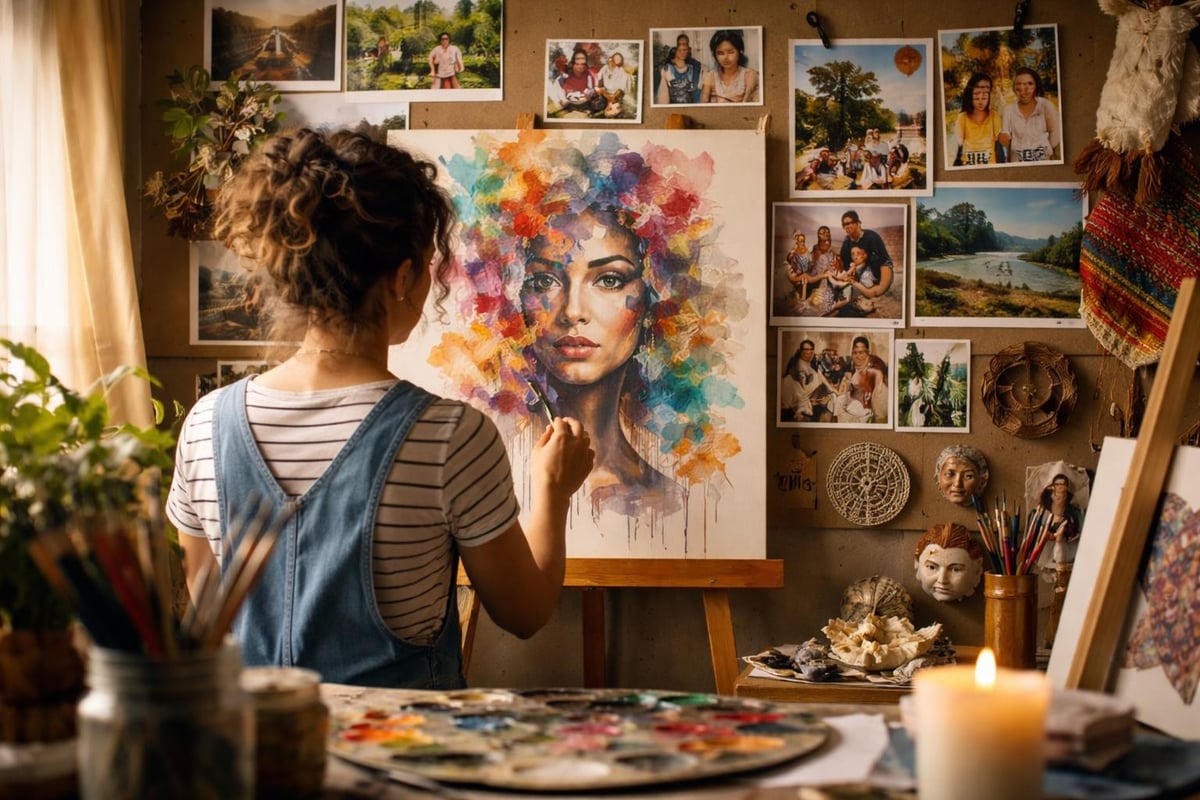
The transformation of experience into visual language requires both introspection and technical capability. Artists must develop the skill to translate internal visions into external realities, bridging the gap between conception and execution.
The Studio Practice: Where Connection Deepens
The relationship between the artist and the art intensifies within the studio environment. This sacred space serves as a laboratory for experimentation, a sanctuary for contemplation, and a workshop for production. The studio practice encompasses not just the hours spent creating but the rituals, routines, and rhythms that support artistic development.
Ritual and Routine in Artistic Creation
Successful artists typically establish consistent practices that create optimal conditions for creativity. These routines vary dramatically between individuals but share common purposes of preparing the mind and body for focused work.
| Practice Element | Purpose | Example Approach |
|---|---|---|
| Space preparation | Creating conducive environment | Organizing materials, adjusting lighting |
| Mental transition | Shifting from daily life to creative mode | Meditation, music, reading |
| Physical warmup | Engaging motor skills | Sketching exercises, color mixing |
| Review process | Maintaining connection to ongoing work | Studying previous day's progress |
The physical act of creating establishes an intimate dialogue. Artists learn to read their work in progress, making adjustments based on intuition developed through practice. This conversation between maker and made continues until the piece declares itself complete.
For many contemporary artists, the studio extends beyond physical walls. Digital tools, outdoor locations, and community spaces all serve as sites where the artist and the art meet. The essential element remains the focused attention and intentional practice that characterizes professional artistic work.
Chromatic Exploration and Geometric Balance
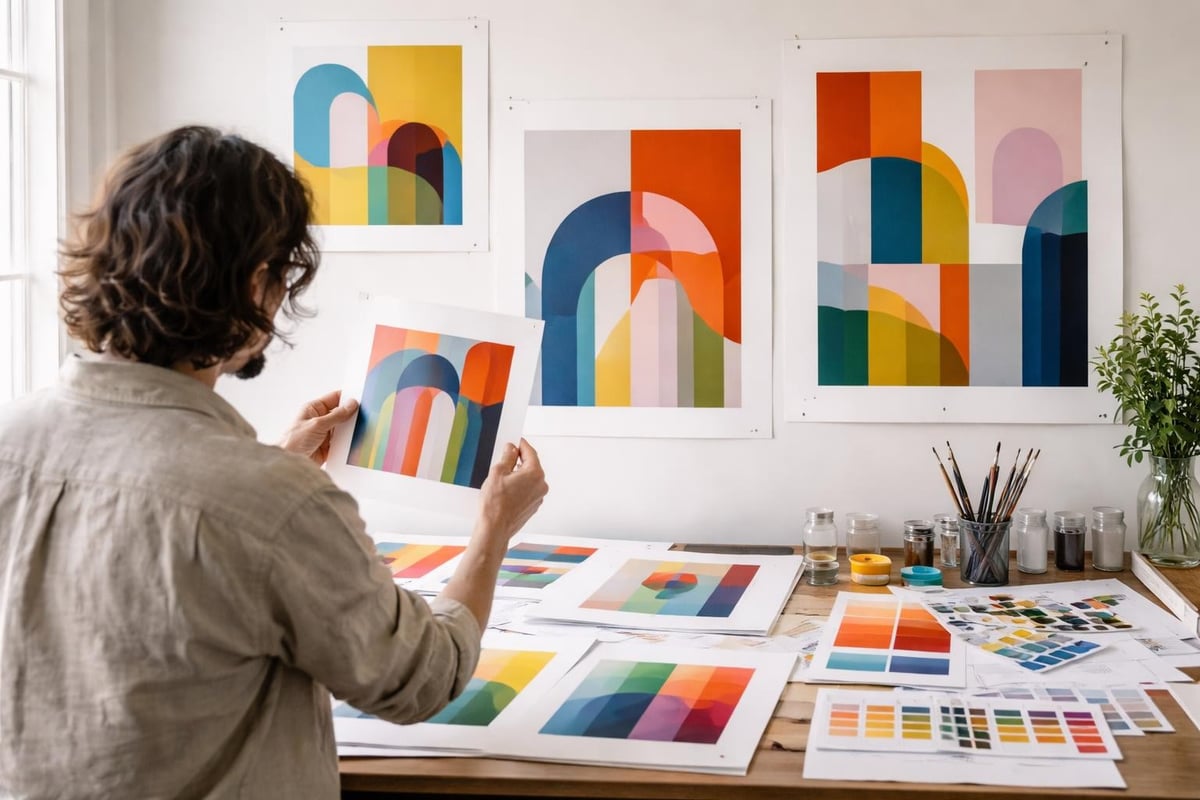
Color relationships and compositional structure form the visual vocabulary through which artists communicate. The interplay between hue, saturation, value, and form creates emotional resonance and intellectual engagement. Artists working with chromatic exploration often develop sophisticated understanding of color theory while maintaining intuitive approaches to palette selection.
Building Visual Language Through Color
Contemporary abstract work frequently emphasizes color as primary subject matter rather than descriptive tool. This approach allows viewers to experience pure visual sensation divorced from representational content. The artist and the art achieve unity when color choices feel inevitable rather than arbitrary.
Geometric abstraction introduces mathematical precision into emotional expression. The tension between calculated structure and spontaneous gesture produces dynamic visual experiences. Artists exploring these territories balance control with surprise, allowing accidents to inform intentional decisions.
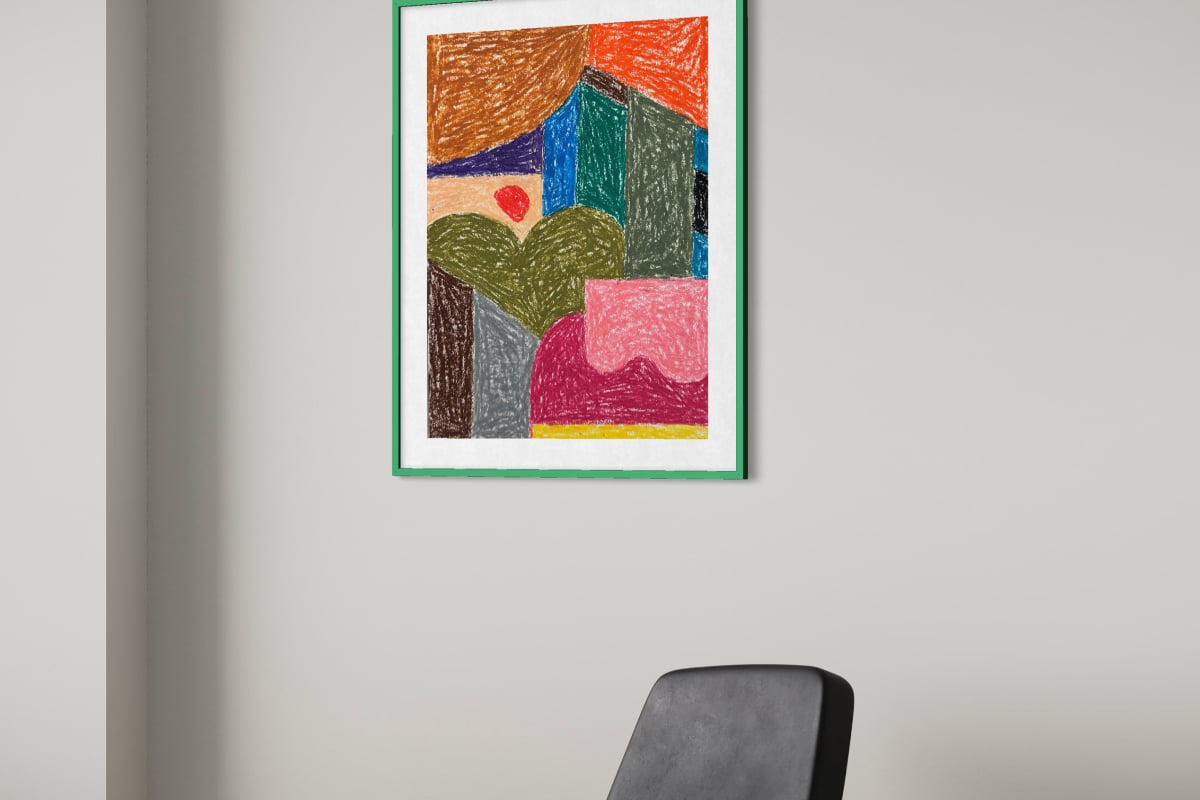
Works like the chromatic study demonstrate how layered geometry creates depth and movement within confined formats. These pieces explore balance through deliberate color relationships and spatial organization, inviting extended viewing that reveals complexity over time.
The Evolution of Artistic Vision Over Time
The relationship between the artist and the art necessarily changes across a creative lifetime. Early work often exhibits searching quality as artists discover their interests and capabilities. Mid-career practice typically shows confident command of chosen mediums and established thematic concerns. Late work can reveal either deepening refinement or radical reinvention.
Growth Through Series and Themes
Many artists organize their practice around series, collections, or ongoing investigations. This approach allows thorough exploration of specific ideas while building coherent bodies of work. The counterform collection or chromatic architecture series exemplifies how sustained focus yields rich variation within defined parameters.
Benefits of series-based practice include:
- Deeper investigation of concepts through repeated engagement
- Technical mastery developed through consistent application
- Recognizable identity that helps collectors understand artistic vision
- Natural progression that documents creative evolution
- Exhibition coherence when presenting work publicly
Each series contributes to the larger artistic narrative while standing independently. Collectors appreciate seeing how themes develop across time, gaining insight into the artist's thought processes and creative priorities.
Professional Relationships That Support Artistic Practice
While the artist and the art form the core relationship, professional connections significantly impact creative sustainability. Gallery representation, collector relationships, peer networks, and community engagement all influence an artist's capacity to maintain consistent practice.
Navigating the Artist-Gallerist Dynamic
The traditional gallery model continues evolving as artists gain direct access to audiences through digital platforms. However, professional gallerists still provide valuable services including curation, promotion, sales infrastructure, and market positioning. Understanding the legal and professional aspects of artist-dealer relationships protects both parties while fostering productive collaboration.
Contemporary artists increasingly maintain hybrid approaches, combining direct sales through personal websites with selective gallery partnerships. This model offers greater control while accessing institutional benefits when advantageous.
Building Authentic Collector Connections
The relationship between artists and collectors has transformed significantly in recent decades. Direct communication through social media, studio visits, and online platforms creates transparency that previous generations rarely experienced. These connections often evolve into genuine friendships based on shared aesthetic values and mutual respect.
Collectors today frequently seek more than finished products. They desire understanding of creative processes, insight into artistic thinking, and ongoing relationships with makers. Artists who articulate their vision clearly while remaining accessible build loyal followings that support long-term careers.
The Role of Technology in Contemporary Practice
Digital tools have fundamentally altered how the artist and the art relate in 2026. While traditional mediums remain vital, technology offers new possibilities for creation, documentation, promotion, and sale. The integration of AI in artistic practice raises important questions about authorship, originality, and creative agency, as recent discussions with photographers and digital artists demonstrate.
Balancing Traditional and Digital Approaches
Many contemporary artists work fluidly between analog and digital processes. Physical materials offer tactile engagement and unpredictable accidents that digital tools struggle to replicate. Conversely, digital platforms provide precision, unlimited experimentation, and easy documentation.
The most successful integration treats technology as expanded toolkit rather than replacement for traditional skills. Artists maintain core practices while adopting digital tools where they enhance rather than compromise creative vision.
| Traditional Strengths | Digital Advantages | Hybrid Opportunities |
|---|---|---|
| Physical presence | Infinite iterations | Digital planning, physical execution |
| Material authenticity | Precise control | Scanning originals for prints |
| Unique objects | Easy documentation | Limited editions with digital COAs |
| Tactile engagement | Global reach | Virtual studio tours |
Social media particularly impacts how artists share work and build audiences. Platforms enable direct communication with global audiences while creating pressure for constant content production. Finding healthy balance between genuine sharing and performative posting challenges many creators.
Cultural Context and Social Responsibility
Artists have long served as cultural commentators, social critics, and visionary thinkers. The artist and the art cannot be separated from broader cultural contexts in which they exist. Contemporary practice increasingly acknowledges social responsibility inherent in creative work, with artists playing diverse roles within communities as educators, activists, and cultural preservers.
Art as Cultural Documentation
Every artwork captures specific moment in time, reflecting prevailing aesthetics, available materials, current concerns, and cultural values. Future generations will study today's art to understand 2026 just as we examine historical work to comprehend previous eras. This documentary function adds weight to artistic decisions, whether explicitly political or purely aesthetic.
Abstract work contributes to cultural record through formal innovations, material explorations, and visual language development. Even work that appears divorced from social commentary participates in ongoing conversation about what art can be and do.
Material Choices and Technical Mastery
The physical relationship between the artist and the art manifests most directly through material selection and technical execution. Every medium offers distinct possibilities and limitations that shape creative outcomes. Understanding materials deeply allows artists to exploit their full potential while working within practical constraints.
Working with Traditional Mediums
Oil pastel, archival paper, canvas, and traditional paints remain popular among contemporary artists for good reasons. These materials have proven longevity, well-documented handling characteristics, and rich historical precedent. Technical mastery develops through sustained practice, with artists discovering subtle effects only available through direct physical manipulation.
Quality materials matter significantly for professional practice. Archival papers ensure longevity, professional-grade pigments maintain color integrity, and proper substrates prevent deterioration. These choices reflect respect for collectors who invest in work expected to endure for generations.
The paintings on paper collection demonstrates how traditional materials support contemporary vision. Paper offers immediacy and intimacy distinct from canvas work, with surface texture and absorbency creating unique mark-making possibilities.
Authenticity and Artistic Integrity
The relationship between the artist and the art requires unwavering honesty. Collectors, curators, and fellow artists recognize authentic work that emerges from genuine creative compulsion rather than market calculation. While professional artists must consider commercial viability, the most enduring work typically originates from internal necessity rather than external demands.
Maintaining Vision Under Pressure
Professional practice involves constant negotiation between personal vision and marketplace realities. Successful artists develop clarity about non-negotiable elements of their practice while remaining open to productive feedback and evolution. This balance prevents both artistic stagnation and commercial compromise that undermines creative integrity.
Understanding your artistic statement and maintaining connection to foundational motivations helps navigate pressures toward trending styles or popular subjects. The most distinctive work emerges when artists trust their unique perspectives rather than mimicking successful peers.
The Viewer's Role in Completing the Artwork
While the artist and the art form the primary relationship, viewers complete the creative circuit by bringing their own experiences and interpretations. Artists relinquish control once work enters the world, allowing multiple readings and unexpected connections. This openness distinguishes visual art from more prescriptive communication forms.
Creating Space for Individual Response
Abstract work particularly invites personal interpretation. Without representational content directing specific readings, viewers project their own associations, memories, and feelings onto visual information. Different people experience identical work completely differently based on unique backgrounds and current mindsets.
Skilled artists construct work that rewards extended attention while remaining accessible to initial viewing. Layered complexity reveals itself gradually, encouraging viewers to return and discover new relationships between elements. This generosity toward audiences builds lasting engagement rather than exhausting itself in single encounter.
Documentation and Legacy Considerations
Professional artists must consider how their work will be preserved, studied, and appreciated beyond their active careers. Proper documentation, clear provenance, and thoughtful archiving ensure work receives appropriate care and context. The relationship between the artist and the art extends across time when proper systems protect creative legacy.
Building Comprehensive Records
Professional documentation includes high-quality photography, detailed descriptions, materials lists, dimension records, and exhibition history. Certificates of authenticity provide collectors with confidence while creating paper trail that enhances value. Digital organization systems help manage growing bodies of work without overwhelming administrative burden.
Visit the resume page to see how professional exhibition history and accomplishments contextualize an artistic practice within broader cultural landscape. These records become increasingly important as careers develop and work enters secondary markets.
Commission Work and Collaborative Projects
Custom commissions represent unique expression of the relationship between the artist and the art, introducing third-party vision into creative process. Successful commissions balance client desires with artistic integrity, resulting in work that satisfies practical requirements while maintaining creative quality.
Navigating Client Collaboration
Commission work requires clear communication, realistic timelines, and well-defined parameters. Artists must articulate what they can deliver while setting boundaries around creative decisions that preserve work quality. Clients seeking commissioned pieces typically value artist's expertise, making collaborative dialogue more productive than prescriptive direction.
The process typically involves initial consultation, preliminary sketches or studies, periodic updates during creation, and final approval before delivery. Professional handling of commissions builds reputation and generates referrals while expanding artistic practice into new territories.
The Future of Artistic Practice
As we move further into 2026, the relationship between the artist and the art continues evolving alongside technological advancement, cultural shifts, and economic changes. Artists who maintain core creative values while adapting to new possibilities position themselves for sustainable careers. The fundamental human need for visual expression ensures continued relevance regardless of platform or medium changes.
Emerging technologies will undoubtedly introduce new creative tools and distribution methods. However, the essential relationship between maker and made will persist because it addresses deep human needs for expression, connection, and meaning-making that transcend specific historical moments.
The bond between the artist and the art remains at the heart of all meaningful creative practice, regardless of medium, style, or cultural context. This relationship demands authenticity, technical skill, sustained commitment, and willingness to grow over time. Whether you're discovering abstract work for the first time or building a collection of contemporary pieces, understanding the creative journey behind each artwork enriches your appreciation and connection to the work. Nathalie Chikhi offers original artworks and prints exploring chromatic relationships and geometric balance, each piece representing years of dedicated studio practice and artistic evolution.
