

Ireland has long been a wellspring of artistic talent, producing creators whose work resonates far beyond the island's shores. An artist from Ireland carries forward centuries of cultural heritage while simultaneously pushing boundaries with contemporary techniques and perspectives. This unique position allows Irish artists to draw from rich traditions in Celtic design, landscape painting, and storytelling while embracing modern materials, digital tools, and abstract concepts. Understanding what defines an artist from Ireland in 2026 requires examining both historical foundations and current innovations shaping the global art market.
The Historical Foundation of Irish Artistic Identity
The legacy of Irish art extends back thousands of years, with ancient Celtic manuscripts and metalwork establishing visual traditions that continue to influence contemporary creators. An artist from Ireland inherits this lineage, whether consciously or unconsciously, as part of their cultural DNA.
Pre-Modern Masters and Their Lasting Impact
Six pre-modern Irish artists whose work shaped the foundation of Irish visual culture include painters who captured the country's dramatic landscapes, portraitists who documented society's evolution, and innovators who bridged traditional techniques with emerging styles. These artists established Ireland's reputation for producing work that balanced technical skill with emotional depth.
The pre-modern period saw Irish artists wrestling with questions of national identity, colonial influence, and the relationship between art and politics. This historical context continues to inform how an artist from Ireland approaches their practice today, even when working in entirely abstract or conceptual modes.
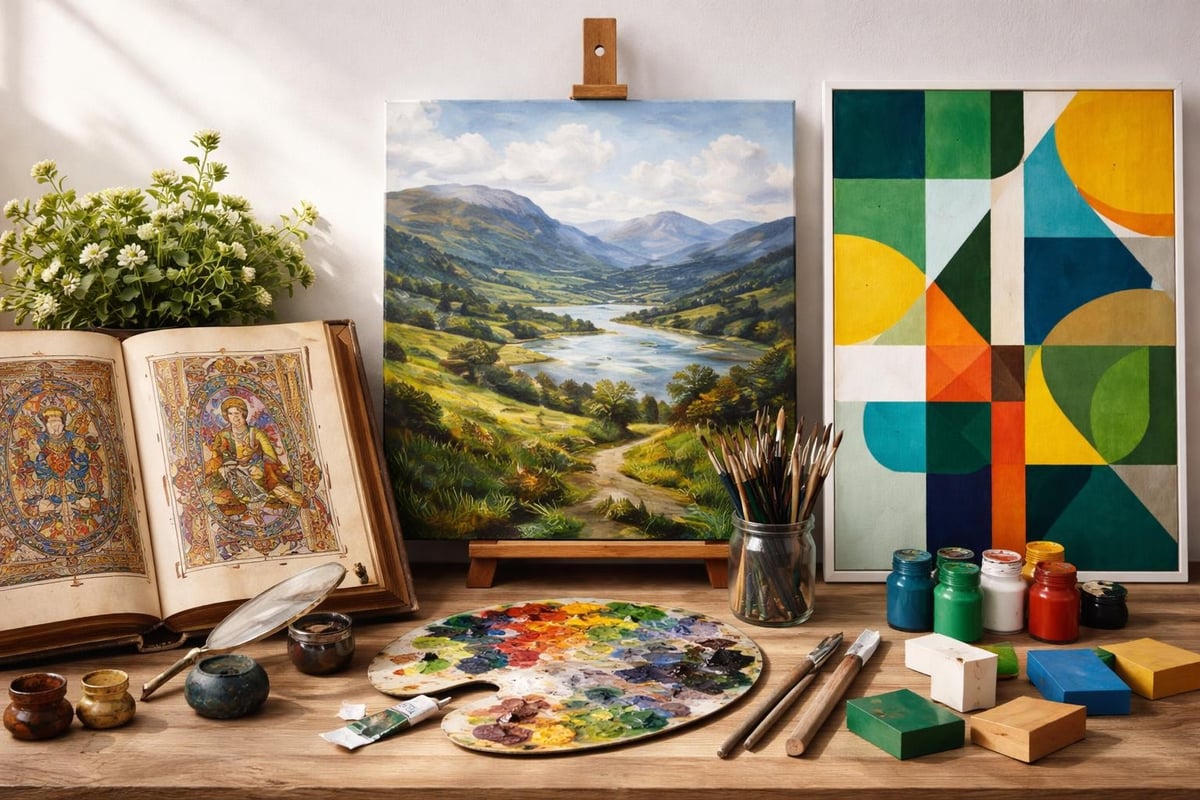
Celtic Design Language in Modern Practice
Celtic patterns, knots, and spirals represent more than decorative elements. They embody philosophical concepts about continuity, interconnection, and the relationship between microcosm and macrocosm. Many contemporary creators draw on these principles without directly replicating historical forms.
An artist from Ireland working in geometric abstraction might channel Celtic design thinking through:
- Exploration of symmetry and asymmetry
- Use of repeating patterns with subtle variations
- Investigation of positive and negative space relationships
- Color palettes inspired by Irish landscapes and natural materials
Contemporary Irish Artists Shaping Global Conversations
Today's Irish art scene thrives with diversity, spanning traditional mediums, digital innovation, installation work, and hybrid practices. An artist from Ireland in 2026 operates within a globalized art market while maintaining distinct connections to place and culture.
Landscape and Environment as Ongoing Inspiration
The Irish landscape continues to captivate artists, though contemporary interpretations often diverge dramatically from romantic 19th-century representations. Modern artists evoke the misty light and textures of Irish islands through digital techniques, abstract compositions, and experimental approaches that capture atmospheric qualities rather than literal depictions.
This shift reflects broader changes in how artists interpret environment and place. Rather than documenting what Ireland looks like, many contemporary creators explore how it feels, sounds, and resonates emotionally.
| Traditional Approach | Contemporary Approach |
|---|---|
| Realistic landscape painting | Abstract environmental interpretation |
| Direct representation | Conceptual exploration of place |
| Natural earth tones | Experimental color palettes |
| Studio-based practice | Site-responsive work |
The Role of Materials and Process
An artist from Ireland today has access to unprecedented material choices, from traditional oil paints and canvas to digital tablets, projection mapping, and biodegradable installations. This expansiveness allows for innovative approaches to longstanding themes.
Working with oil pastels on archival paper, for instance, combines traditional mark-making with contemporary concerns about permanence and preservation. The chromatic studies emerging from such practices investigate color relationships, geometric balance, and visual tension through layered composition techniques that honor both historical craft traditions and modern aesthetic sensibilities.
Building a Practice as an Irish Artist
Establishing a sustainable artistic practice requires balancing creative vision with practical considerations. An artist from Ireland faces unique opportunities and challenges in developing their career.
Studio Practice and Experimentation
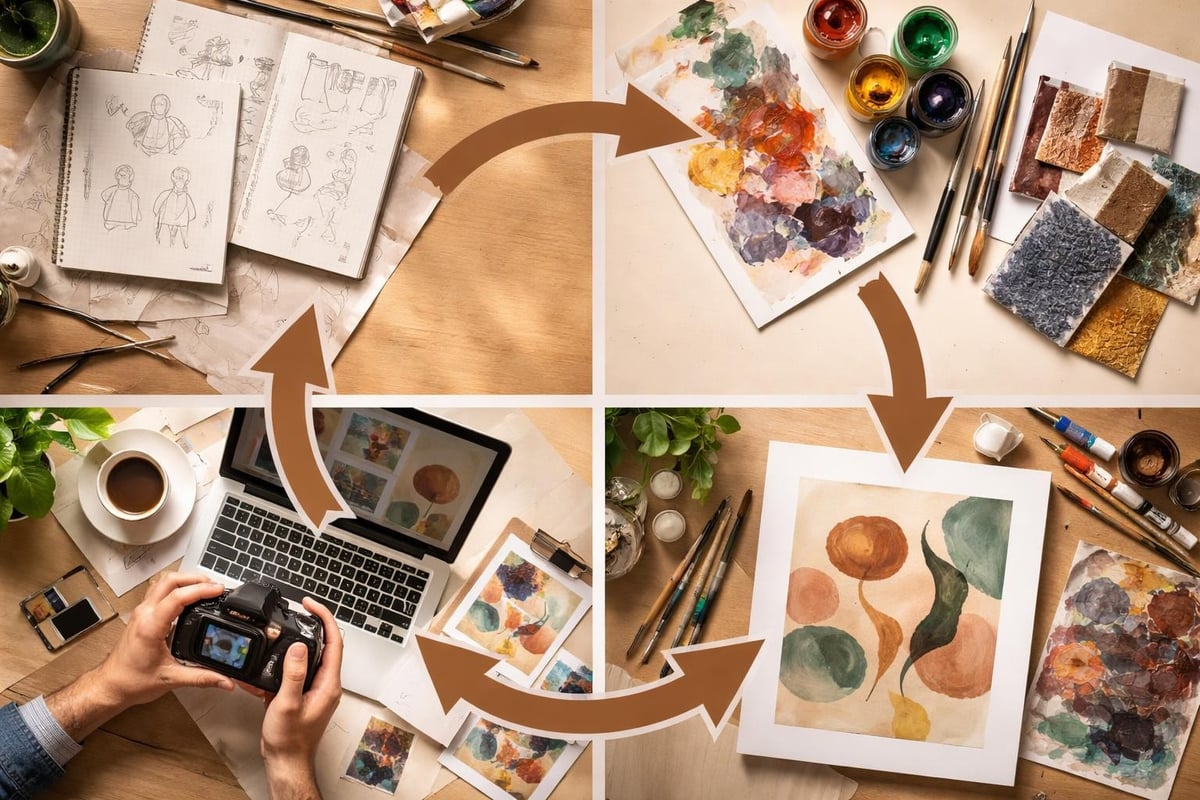
Successful artists dedicate substantial time to experimentation, allowing discoveries to emerge through repeated investigation of techniques, materials, and concepts. A rigorous studio practice includes:
- Regular scheduled working sessions regardless of inspiration
- Documentation of processes and results for future reference
- Series development that explores themes across multiple works
- Critical self-assessment and refinement of technical skills
- Research into art history, theory, and contemporary practices
This disciplined approach separates professional practice from hobbyist activity. An artist from Ireland competing in international markets must demonstrate consistent quality and conceptual depth across their body of work.
Developing Signature Themes and Collections
Rather than working in scattered directions, successful artists typically develop recognizable themes or series that allow collectors and audiences to understand their creative trajectory. These collections might explore:
- Chromatic investigations examining color theory through geometric compositions
- Architectural abstractions interpreting built environments through non-representational forms
- Nature-inspired patterns translating organic rhythms into systematic visual languages
- Cultural commentary addressing social themes through symbolic imagery
Working in series also provides practical benefits for marketing and sales, as collectors often prefer acquiring multiple related pieces that create cohesive installations.
Technical Mastery Across Mediums
While specialization has value, versatility expands opportunities. An artist from Ireland might develop expertise across several approaches, understanding when each serves their vision best. Understanding the difference between prints and original artworks allows artists to serve diverse collector needs while maintaining artistic integrity.
Marketing and Visibility for Irish Artists
Talent alone rarely guarantees success. An artist from Ireland must actively cultivate visibility, build relationships with collectors, and strategically position their work in appropriate markets.
Digital Presence and Online Sales
The internet has democratized access to global markets, allowing artists to bypass traditional gallery gatekeepers. Essential digital marketing components include:
- Professional website showcasing portfolio, artist statement, and purchasing options
- Social media presence demonstrating process, finished work, and personality
- Email marketing maintaining collector relationships and announcing new releases
- Search optimization ensuring discovery by interested buyers searching relevant terms
- Online marketplace listings on platforms aligned with artistic style and price point
An effective online presence requires consistency, authenticity, and strategic content creation that educates potential collectors while demonstrating expertise.
Gallery Relationships and Representation
Despite digital opportunities, gallery representation remains valuable for accessing serious collectors, institutional buyers, and curated exhibition opportunities. An artist from Ireland seeking gallery partnerships should research venues whose aesthetic, collector base, and values align with their practice.
Successful gallery relationships involve:
- Professional presentation materials including high-quality images and artist statement
- Clear communication about expectations, commission structures, and responsibilities
- Consistent production meeting agreed-upon quantities and quality standards
- Active participation in opening events and collector engagement
- Mutual promotion across digital and traditional channels
Commissions and Custom Work
Accepting commissioned projects provides income stability while challenging artists to work within client parameters. An artist from Ireland offering commissions must balance personal vision with client needs, establishing clear processes for:
- Initial consultation and concept development
- Pricing structures reflecting time, materials, and complexity
- Approval stages preventing misunderstandings
- Delivery timelines accounting for creation and shipping
- Payment schedules protecting both parties
Commissions also serve as marketing tools, as satisfied clients often become repeat buyers and refer colleagues interested in similar work.
Irish Artists in Global Context
Ireland's artistic community doesn't exist in isolation. An artist from Ireland participates in international conversations about contemporary art while maintaining distinct cultural perspectives.
Cross-Cultural Influences and Exchanges
Globalization means artists regularly encounter work from diverse traditions, absorbing influences and contributing their own perspectives to evolving dialogues. This cultural exchange enriches artistic practice while raising questions about authenticity, appropriation, and cultural identity.
An artist from Ireland might incorporate Japanese minimalism, African pattern traditions, or Latin American color sensibilities into their work while retaining recognizable Irish characteristics. This synthesis reflects the reality of contemporary artistic practice in an interconnected world.
Ireland's Growing Art Tourism
Ireland's artistic and historical treasures attract visitors seeking cultural enrichment, creating opportunities for artists to connect with international audiences. Studios offering tours, workshops, or residencies benefit from this tourism while contributing to Ireland's cultural economy.
Artists can leverage tourism by:
- Partnering with cultural institutions for exhibitions or events
- Offering studio visits by appointment for serious collectors
- Teaching workshops sharing techniques with interested students
- Participating in art trails connecting multiple studios across regions
- Creating limited editions specifically for tourist markets
Music and Interdisciplinary Collaboration
Ireland's reputation for musical excellence extends beyond traditional folk music. Contemporary Irish musicians across genres demonstrate the country's ongoing creative vitality, and many visual artists collaborate with musicians on album artwork, stage design, music videos, and multimedia installations.
An artist from Ireland exploring interdisciplinary work might partner with composers, dancers, filmmakers, or writers, creating experiences that transcend single-medium limitations. These collaborations expand audiences and push creative boundaries.
Practical Considerations for Art Collectors
Understanding what motivates collectors helps artists position their work effectively. Those interested in acquiring work by an artist from Ireland should consider several factors.
Investment Potential and Market Trends
Art collecting combines aesthetic appreciation with financial considerations. Emerging artists often represent better investment opportunities than established names, though with higher risk. Collectors should research:
| Factor | Questions to Ask |
|---|---|
| Artist trajectory | Is their practice evolving and improving? |
| Market presence | Are galleries and collectors showing interest? |
| Critical reception | Do reviewers and curators take them seriously? |
| Production consistency | Do they maintain quality across multiple works? |
| Uniqueness | What distinguishes them from similar artists? |
An artist from Ireland with strong fundamentals, distinctive vision, and professional approach represents a more promising investment than one lacking these qualities regardless of current prices.
Selecting Work for Specific Spaces
Choosing appropriate artwork requires considering both aesthetic preferences and practical constraints. When evaluating pieces, collectors should assess:
- Scale relationship to wall dimensions and surrounding furniture
- Color harmony with existing palette or desired atmosphere
- Stylistic coherence with architectural style and design sensibility
- Lighting requirements for optimal viewing and preservation
- Personal resonance with the work's themes, techniques, or emotional impact
Resources on choosing abstract art for specific spaces help collectors make informed decisions aligning aesthetic desires with practical realities.
Authentication and Provenance
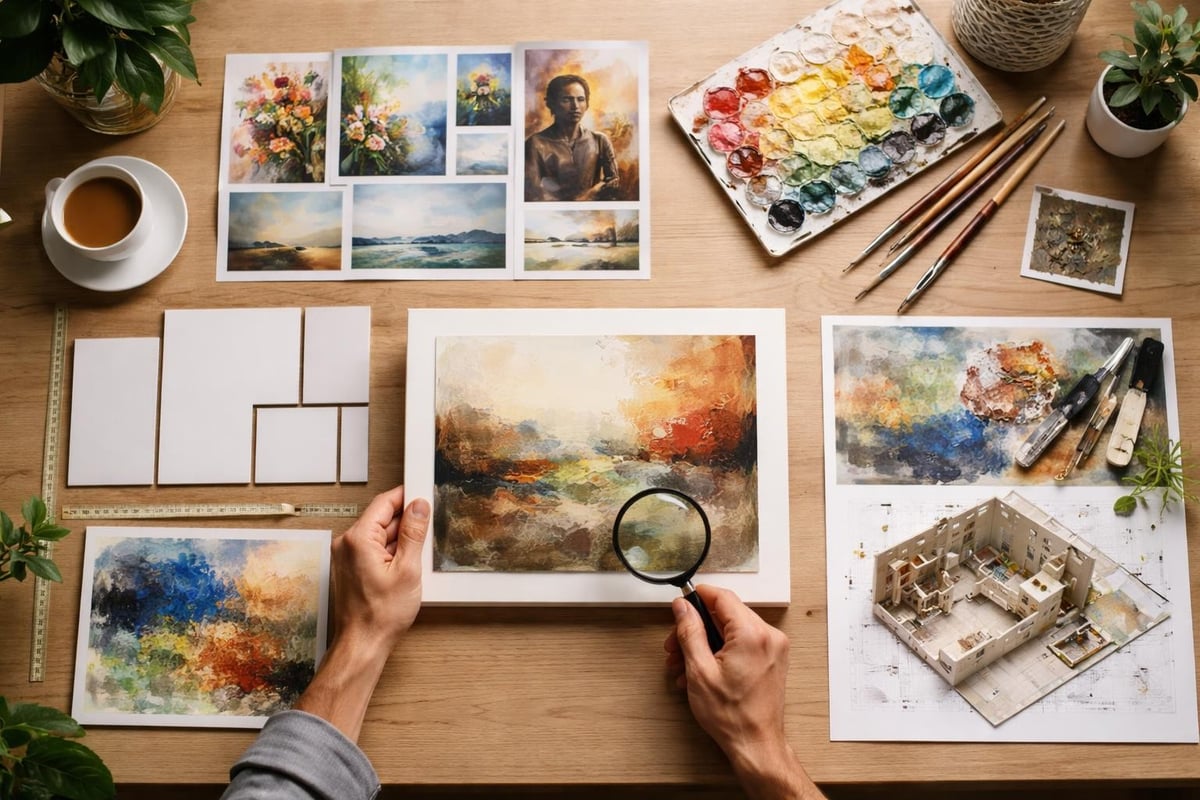
Serious collectors prioritize documentation ensuring authenticity and establishing provenance. When acquiring work from an artist from Ireland, request:
- Certificate of authenticity signed by the artist
- Documentation of materials, dimensions, and creation date
- Photographic records of the work
- Any exhibition history or publication credits
- Care instructions specific to materials and techniques
Proper documentation protects investment value and facilitates future resale or insurance claims.
Color Theory in Contemporary Irish Practice
Color psychology plays a crucial role in how viewers respond to artwork. An artist from Ireland working in chromatic abstraction must understand both theoretical principles and intuitive application.
Psychological Impact of Color Choices
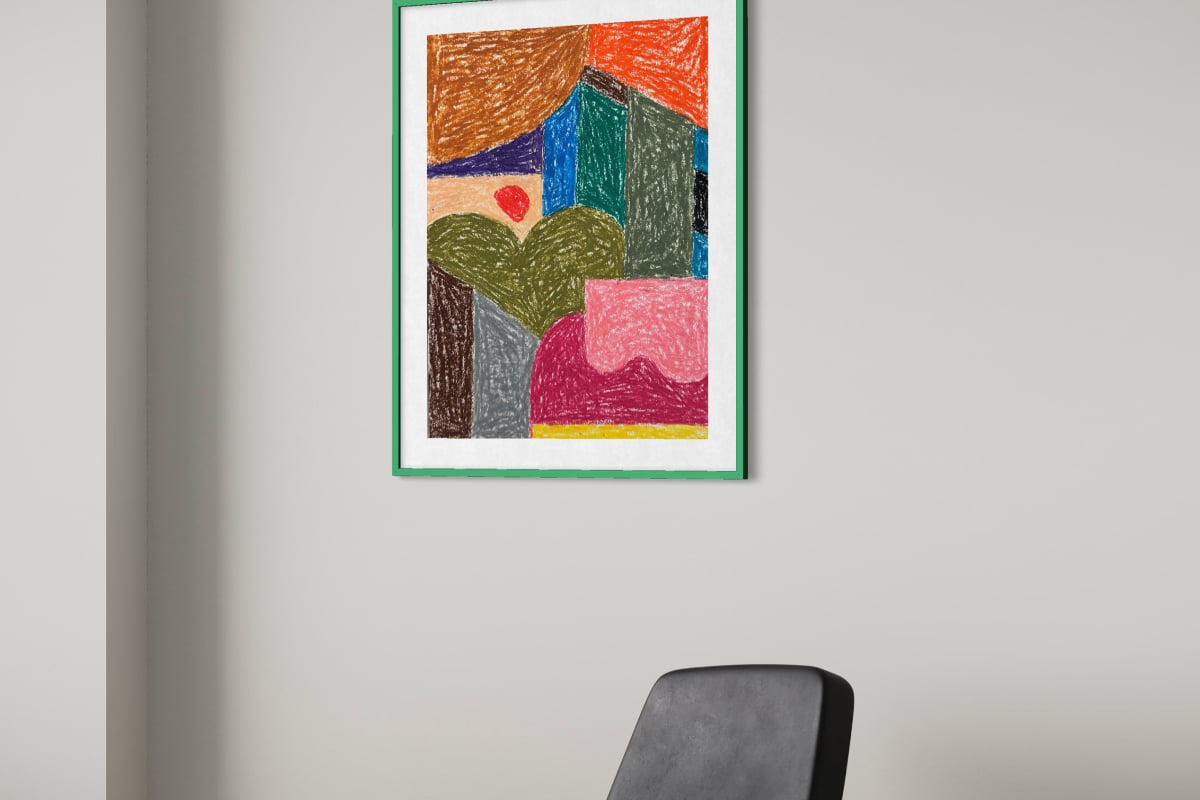
Different hues trigger distinct emotional and physiological responses. Understanding color psychology in geometric design allows artists to craft intentional viewer experiences. Cool blues might evoke calm contemplation, while vibrant yellows and pinks generate energy and optimism.
An artist from Ireland composing chromatic studies carefully calibrates these relationships, creating works that balance tension with harmony, excitement with repose. The palette choices in pieces like The Chromatic Study demonstrate this sophisticated understanding, employing yellows, blues, pinks, and complementary hues to explore visual balance through layered geometric forms.
Cultural Associations and Personal Vision
Colors carry cultural meanings that vary across societies and historical periods. An artist from Ireland might draw on associations between green and national identity, gray and atmospheric weather, or earth tones and rural landscapes, while simultaneously challenging these conventions through unexpected applications.
The most compelling work transcends simple symbolism, using color to create experiences that operate on multiple levels simultaneously. Technical mastery of mixing, layering, and juxtaposition combines with intuitive sensitivity to create compositions that resonate emotionally while demonstrating intellectual rigor.
Exhibition Opportunities and Professional Development
Continuous growth distinguishes serious artists from those who plateau. An artist from Ireland should actively pursue opportunities for exhibition, education, and professional networking.
Juried Shows and Open Submissions
Participating in juried exhibitions provides validation, exposure, and networking opportunities. Successful applications typically require:
- High-quality digital images meeting technical specifications
- Concise artist statement articulating vision and approach
- Professional biography highlighting relevant experience
- Entry fees and adherence to submission deadlines
- Work aligned with exhibition theme or venue mission
Rejection is inevitable and shouldn't discourage persistent submission to appropriate opportunities. Each application strengthens presentation skills and clarifies artistic identity.
Residencies and International Programs
Artist residencies offer focused creative time, access to specialized equipment, and connections with international peers. An artist from Ireland participating in residencies gains exposure to different working methods, materials, and cultural contexts while building relationships that can lead to future collaborations or exhibitions.
Benefits of residency participation include:
- Concentrated working periods free from daily distractions
- Access to facilities beyond individual studio capabilities
- Cross-cultural exchange with artists from diverse backgrounds
- Exhibition opportunities through residency programming
- Professional development through critiques and visiting artist programs
Continuing Education and Skill Development
Technology, materials, and theoretical frameworks continually evolve. An artist from Ireland committed to excellence invests in ongoing education through workshops, online courses, independent research, and experimentation. Areas for potential growth include:
- New digital tools and software applications
- Alternative printmaking and reproduction techniques
- Business skills including pricing, contracts, and marketing
- Art historical knowledge deepening contextual understanding
- Technical mastery of traditional mediums and methods
The Business of Being an Artist
Sustainable artistic practice requires treating creative work as a legitimate business with proper systems, record-keeping, and financial planning.
Pricing Strategies and Value Communication
Establishing appropriate prices balances multiple factors including materials, time, experience, market positioning, and comparable works. An artist from Ireland should research pricing for artists at similar career stages working in related styles and mediums.
Effective pricing strategies consider:
- Material costs for substrates, paints, framing, and packaging
- Time investment at a reasonable hourly rate reflecting skill level
- Overhead expenses including studio rent, utilities, and equipment
- Market research on comparable artists' pricing
- Psychological pricing using numbers that feel appropriate to target collectors
Underpricing devalues work and makes sustainable practice impossible. Overpricing alienates potential buyers and stalls sales. Finding the appropriate balance requires market awareness and confidence in work quality.
Legal and Financial Considerations
Professional artists must address various legal and financial matters including:
| Area | Considerations |
|---|---|
| Business structure | Sole proprietorship, LLC, or corporation |
| Tax obligations | Income reporting, VAT/sales tax, deductions |
| Copyright protection | Registration, licensing, reproduction rights |
| Contracts | Gallery agreements, commission terms, sales conditions |
| Insurance | Studio liability, artwork coverage, shipping protection |
Consulting with legal and financial professionals familiar with artist-specific issues prevents costly mistakes and ensures compliance with regulations.
Building Collector Relationships
Long-term success depends on cultivating loyal collectors who make repeated purchases and refer others. An artist from Ireland should prioritize relationship-building through:
- Personalized communication acknowledging individual preferences
- Behind-the-scenes access to studio processes and new work previews
- Exclusive opportunities for established collectors
- Consistent quality and reliable delivery on commitments
- Genuine appreciation for support and patronage
These relationships transform one-time buyers into long-term supporters invested in artistic success.
An artist from Ireland in 2026 balances rich cultural heritage with contemporary innovation, creating work that honors tradition while pushing into new territory. Whether exploring chromatic relationships through geometric abstraction or interpreting landscape through experimental techniques, Irish artists continue making significant contributions to global visual culture. If you're seeking original artworks that combine sophisticated color theory with layered geometric compositions, explore the distinctive vision at Nathalie Chikhi, where chromatic architecture and counterform collections offer vibrant, thought-provoking pieces for discerning collectors.
