

Bold abstract art commands attention in ways few other artistic styles can achieve. With sweeping brushstrokes, saturated color palettes, and fearless compositional choices, this dynamic art form transforms ordinary spaces into extraordinary environments. Whether you're an interior designer seeking statement pieces or a collector drawn to expressive works, understanding the nuances of bold abstract art opens doors to creating spaces filled with visual energy and emotional resonance.
The Defining Characteristics of Bold Abstract Art
Bold abstract art distinguishes itself through several unmistakable qualities that separate it from more subtle artistic approaches. The primary characteristic involves confident use of color, often featuring saturated hues that refuse to blend into the background. Artists working in this style embrace vibrant yellows, deep blues, striking reds, and energetic greens without hesitation.
Scale and Visual Impact
Size matters significantly in bold abstract art. Large-scale works create immediate focal points, drawing the eye and establishing the tone for entire rooms. Many contemporary artists, including Amy Feldman, have built reputations on monumental pieces that leverage scale to amplify their visual punch.
Key scale considerations include:
- Canvas dimensions that match or exceed furniture proportions
- Vertical versus horizontal orientations for wall placement
- Multi-panel compositions that expand across architectural features
- Intimate works that concentrate bold elements into smaller formats
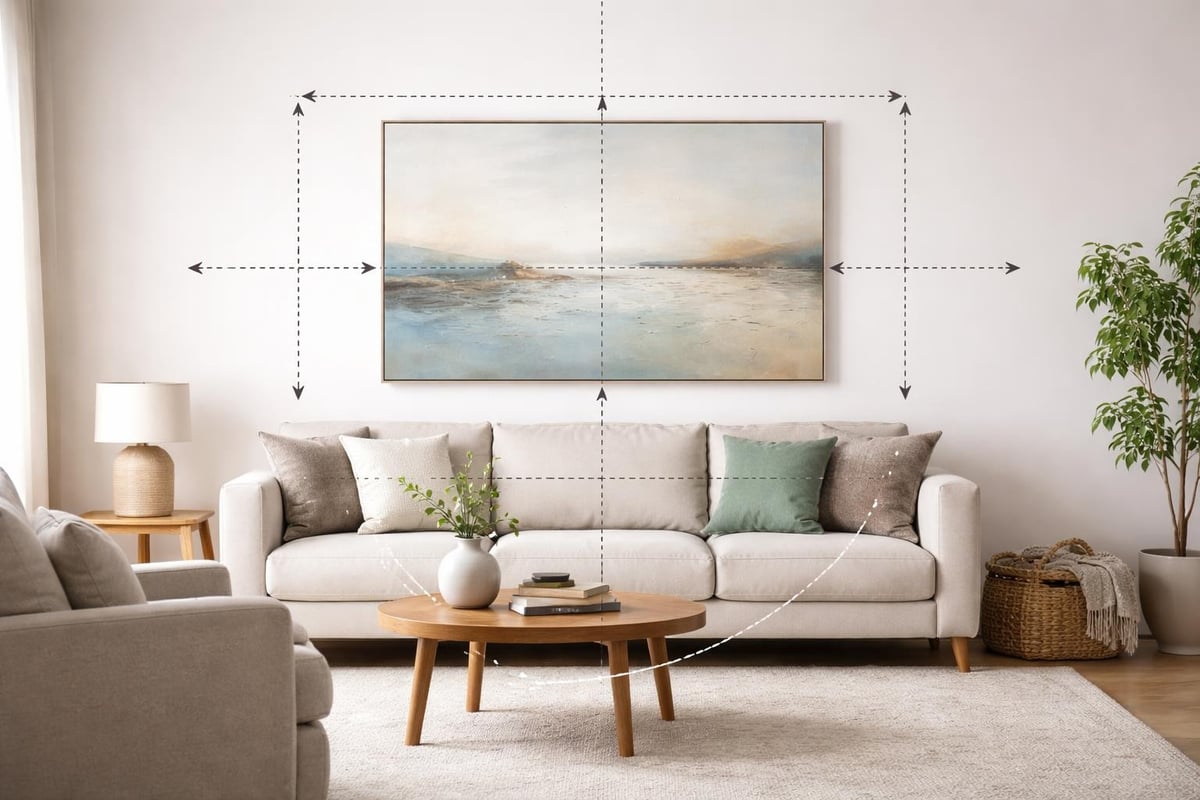
The relationship between artwork size and room dimensions determines whether a piece enhances or overwhelms a space.
Color Theory in Bold Compositions
Bold abstract art thrives on sophisticated color relationships despite its seemingly spontaneous appearance. Artists manipulate complementary colors, analogous schemes, and strategic contrasts to generate visual excitement. The interaction between warm and cool tones creates depth, while unexpected color combinations challenge viewer expectations.
| Color Approach | Effect | Common Pairings |
|---|---|---|
| Complementary Contrast | Maximum vibrancy | Blue/Orange, Red/Green |
| Analogous Harmony | Cohesive energy | Yellow/Orange/Red |
| Triadic Balance | Dynamic stability | Primary colors, Secondary colors |
| Monochromatic Intensity | Focused power | Varied saturations of single hue |
Understanding these relationships helps collectors select pieces that resonate with their existing design schemes while maintaining the energetic character that defines the style.
Historical Evolution and Contemporary Movements
The roots of bold abstract art trace back to early 20th-century movements that rejected representational constraints. Abstract Expressionists pioneered the gestural, color-intensive approach that continues to influence contemporary artists. Roy Lichtenstein's satirical take on Abstract Expressionism demonstrated how even critique of the movement acknowledged its visual power.
Mid-century artists like Alexej von Jawlensky explored spiritual dimensions through bold colors and simplified forms, establishing precedents for emotionally charged abstraction. These historical foundations inform current practices while allowing for fresh interpretations.
Modern Interpretations and Regional Influences
Contemporary bold abstract art reflects diverse cultural perspectives and regional aesthetics. Australian artists like Alex Mendelssohn draw inspiration from landscape colors, translating natural vibrancy into abstract compositions. This geographical connection grounds bold work in specific contexts while maintaining universal appeal.
Regional influences manifest through:
- Color palettes reflecting local environments
- Compositional structures echoing architectural traditions
- Material choices tied to cultural practices
- Scale preferences aligned with typical living spaces
These variations ensure that bold abstract art remains dynamic and relevant across different markets and design contexts.
Selecting Bold Abstract Art for Different Spaces
Choosing the right bold abstract art requires balancing personal preferences with practical considerations. The artwork should energize the space without creating visual chaos. Start by assessing the room's existing color scheme, lighting conditions, and functional purpose.
Residential Applications
Living rooms benefit from large-scale bold abstract art that establishes the space's character. A single commanding piece often works better than multiple competing works. Bedrooms can accommodate either energizing or calming bold abstracts depending on desired mood. Chromatic architecture principles offer guidance on coordinating geometric forms with built environments.
Dining areas present opportunities for bold work that stimulates conversation without overwhelming intimate gatherings. The artwork should maintain presence across varying lighting conditions, from natural daylight to evening ambiance.
Residential placement strategies:
- Position artwork at eye level for primary viewing angles
- Ensure adequate wall space surrounding the piece
- Consider sight lines from multiple room entry points
- Balance bold art with quieter design elements
Kitchen and bathroom spaces, though less conventional, can feature smaller bold abstract works that inject personality into utilitarian areas.
Commercial and Hospitality Environments
Corporate settings use bold abstract art to project confidence and creative thinking. Reception areas particularly benefit from statement pieces that make memorable first impressions. Conference rooms can feature work that inspires without distracting from business functions.
Hotels and restaurants leverage bold abstract art to establish brand identity and create Instagram-worthy moments. Collections like those available through iCanvas's Big and Bold Abstracts cater specifically to commercial installation needs.

Technical Approaches and Mediums
Bold abstract art employs various technical methods, each producing distinct visual effects. Understanding these approaches helps collectors appreciate craftsmanship and make informed purchasing decisions.
Paint Application Techniques
Artists achieve boldness through diverse paint application methods. Heavy impasto creates textural dimension that catches light dramatically. Flat color fields deliver uncompromising saturation. Gestural brushwork communicates immediate energy and spontaneity.
Common application methods include:
- Palette knife work for thick, architectural paint layers
- Large brush sweeps for confident linear elements
- Pour and drip techniques for organic forms
- Spray and stencil combinations for hard-edge compositions
The chosen technique significantly influences the artwork's physical presence and how it interacts with surrounding light sources.
Material Considerations
While canvas remains the traditional support for bold abstract art, contemporary artists explore alternative materials. Paper works offer intimacy and immediacy, with oil pastel and mixed media creating rich surfaces. For collectors interested in works that explore balance and tension through layered geometry, paper-based pieces provide accessible entry points to bold abstraction.
| Medium | Advantages | Considerations |
|---|---|---|
| Oil on Canvas | Rich colors, archival stability | Higher cost, longer drying time |
| Acrylic on Canvas | Quick drying, versatile | Color shifts when dry |
| Oil Pastel on Paper | Immediate application, vibrant | Requires framing protection |
| Mixed Media | Textural variety, innovation | Conservation complexity |
Material selection affects not only aesthetic qualities but also longevity, framing requirements, and maintenance needs.
Investment and Collecting Strategies
Bold abstract art serves both aesthetic and investment purposes when approached strategically. Emerging artists often offer accessible price points while established names command premium positions. Building a collection requires balancing immediate visual satisfaction with long-term value considerations.
Evaluating Artist Credentials
Research artist backgrounds, exhibition histories, and critical reception before purchasing. Artists with consistent gallery representation and museum placements typically demonstrate staying power. Educational background, while not determinative, often correlates with technical sophistication.
Key evaluation factors:
- Exhibition record at recognized venues
- Critical reviews in established art publications
- Collection presence in public institutions
- Consistent artistic development over time
- Professional presentation and documentation
These credentials don't guarantee future appreciation but indicate professional seriousness and market recognition.
Edition Versus Original Works
Bold abstract art exists in both original and print formats, each offering distinct advantages. Original artworks provide unique ownership and typically appreciate more significantly than reproductions. Limited edition prints make bold work accessible at lower price points while maintaining quality.
Signed and numbered prints from established artists hold value better than open-edition reproductions. Certificate of authenticity documentation proves essential for both originals and limited editions.
Styling and Display Techniques
Proper presentation maximizes bold abstract art's impact while protecting the investment. Framing choices either complement or compete with the artwork itself. Gallery-style framing typically works best, allowing the art to dominate visual attention.
Framing Options for Maximum Impact
Bold abstract art on canvas often looks best unframed or with minimal floating frames. This approach emphasizes the painting's three-dimensional quality and uninterrupted color fields. Paper works require protective glazing but benefit from wide mats that provide breathing room around intense compositions.
Professional framing considerations:
- Museum-grade UV-protective glass for light-sensitive media
- Neutral frame colors that don't compete with artwork palette
- Proper spacing between artwork and glass to prevent damage
- Acid-free materials throughout to ensure longevity
The framing investment protects both the artwork and its monetary value over time.
Lighting Strategies
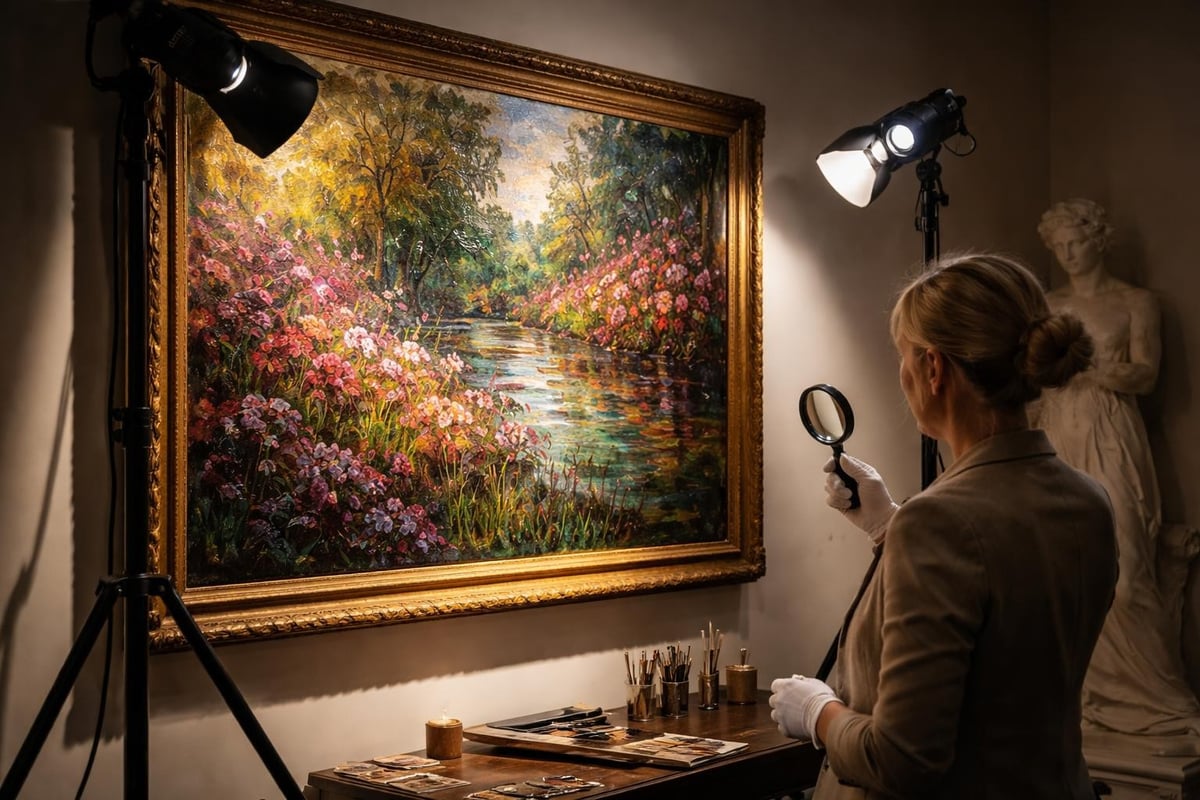
Proper lighting transforms good bold abstract art into spectacular focal points. Track lighting with adjustable heads allows precise highlighting while avoiding glare. Natural light works beautifully but requires UV protection to prevent fading. The interplay between vibrant colors and dynamic forms intensifies under appropriate illumination.
Avoid direct sunlight on sensitive media. Consider ambient room lighting when planning artwork placement to ensure the piece maintains presence throughout the day's changing light conditions.
Commissioning Custom Bold Abstract Art
Custom commissions offer the ultimate personalization opportunity, creating bold abstract art perfectly suited to specific spaces and preferences. Working directly with artists allows dialogue about color preferences, scale requirements, and conceptual direction. Many artists, including those offering art commissions, welcome collaborative relationships with collectors.
The Commission Process
Successful commissions begin with clear communication about expectations, timelines, and budgets. Discuss color palettes by referencing existing works or providing fabric swatches from the intended space. Share room dimensions and photographs to help the artist understand architectural context.
Typical commission stages include:
- Initial consultation and concept development
- Preliminary sketches or color studies for approval
- Contract finalization with payment terms
- Creation period with potential progress updates
- Final delivery and installation support
Deposits typically range from 30-50% of total commission value, with balance due upon completion.
Budget Considerations for Custom Work
Commission pricing reflects artist experience, artwork size, and material complexity. Emerging artists may charge $500-$2,000 for moderate-sized works, while established names command substantially higher fees. Factor in framing and shipping costs when budgeting for custom pieces.
Custom bold abstract art represents investment in both artistic vision and personal connection to the creative process. The resulting work carries unique significance beyond market value.
Caring for Bold Abstract Art
Proper maintenance preserves bold abstract art's vibrancy and structural integrity. Different media require specific care approaches, but several universal principles apply across all formats.
Cleaning and Maintenance
Dust regularly using soft, dry brushes or microfiber cloths. Never apply liquids directly to artwork surfaces without professional guidance. Acrylic and oil paintings develop protective patinas over time; aggressive cleaning can damage these natural layers.
Essential care practices:
- Maintain stable temperature and humidity levels
- Avoid hanging in direct sunlight or near heat sources
- Clean glass or acrylic glazing with appropriate streak-free products
- Inspect regularly for signs of deterioration or pest damage
- Consult professional conservators for restoration needs
Collections from sources like Leah Straatsma's bold abstracts typically include care instructions specific to the artist's materials and techniques.
Environmental Controls
Climate control protects bold abstract art from warping, cracking, and color fading. Ideal conditions maintain 65-70°F temperatures with 40-50% relative humidity. Avoid placing artwork near air vents, radiators, or moisture sources like bathrooms and kitchens.
| Environmental Factor | Ideal Range | Potential Damage |
|---|---|---|
| Temperature | 65-70°F | Cracking, warping |
| Humidity | 40-50% | Mold, material degradation |
| Light Exposure | Minimal UV | Fading, discoloration |
| Air Quality | Low pollutants | Surface deterioration |
Insurance documentation including professional appraisals protects valuable collections. Update valuations every 3-5 years as artist reputations and market conditions evolve.
Bold Abstract Art in Interior Design Trends
Contemporary interior design increasingly embraces bold abstract art as central design elements rather than afterthoughts. The shift toward personalized, expressive spaces favors artwork that makes strong statements. Minimalist interiors particularly benefit from bold abstracts that provide visual interest without cluttering clean lines.
Current Design Integration Approaches
Today's designers build color schemes around significant bold abstract pieces rather than matching art to predetermined palettes. This art-first approach creates more dynamic, memorable interiors. Works like AconaStudio's Bold Expressions demonstrate how contemporary artists merge historical influences with fresh perspectives.
Eclectic maximalism welcomes bold abstract art alongside diverse design elements, creating layered, collected-over-time aesthetics. The key involves balancing multiple bold pieces through thoughtful spacing and complementary color relationships. Understanding how to choose abstract art for your space provides foundational guidance for these complex installations.
Emerging Collector Demographics
Bold abstract art appeals increasingly to younger collectors who prioritize visual impact and emotional connection over traditional investment metrics. Social media influence drives interest in photogenic, statement-making works that translate well to digital sharing. This demographic shift encourages artists to create work that performs both in physical spaces and online contexts.
The market for original abstract paintings with bright colors and bold strokes reflects demand for authentic, artist-direct purchasing relationships. Collectors value stories behind the work and direct connections to creative processes.
Mixing Bold Abstract Art with Other Styles
Successfully combining bold abstract art with representational work or different abstract approaches requires confidence and careful curation. The key involves finding unifying elements like color families, compositional rhythm, or thematic connections.
Creating Cohesive Gallery Walls
Gallery walls featuring bold abstract pieces alongside quieter works create dynamic visual narratives. Vary sizes and orientations while maintaining consistent framing styles or mat colors. Odd-numbered groupings typically feel more organic than symmetrical arrangements.
Gallery wall success strategies:
- Establish a dominant bold piece as the anchor
- Surround with smaller supporting works
- Maintain consistent spacing between frames (2-3 inches works well)
- Consider virtual layout planning before making wall holes
- Balance visual weight across the arrangement
Works like Jetty Home's bold contemporary abstract featuring layered colors demonstrate how tropical influences and geometric forms create accessible entry points to bold abstraction.
Balancing Bold Art with Furniture and Textiles
Bold abstract art works best when furniture and textiles provide visual rest areas. Solid-colored sofas in neutral tones allow artwork to dominate without competing. Conversely, boldly patterned furniture benefits from simpler abstract work that echoes rather than clashes with textile patterns.
Throw pillows and accessories can pull accent colors from bold abstract pieces, creating intentional connections throughout the space. This approach unifies disparate elements into cohesive design schemes.
Bold abstract art transforms spaces through fearless color, confident composition, and emotional immediacy that few other artistic approaches can match. Whether selecting ready-made pieces or commissioning custom work, understanding the characteristics, care requirements, and display strategies ensures your investment delivers lasting visual and personal value. Nathalie Chikhi offers a curated collection of original artworks and prints exploring chromatic architecture, counterform, and geometric abstraction, providing collectors with access to bold contemporary work that energizes modern interiors with sophisticated color relationships and dynamic forms.
